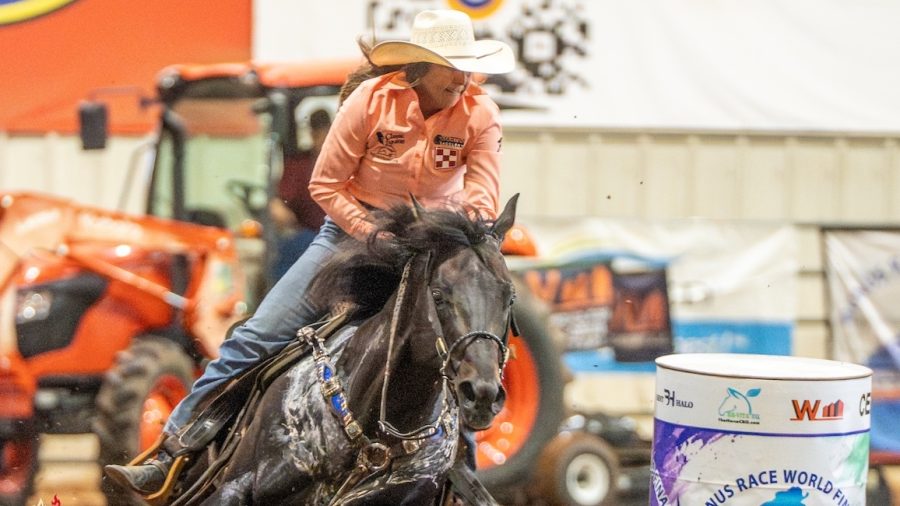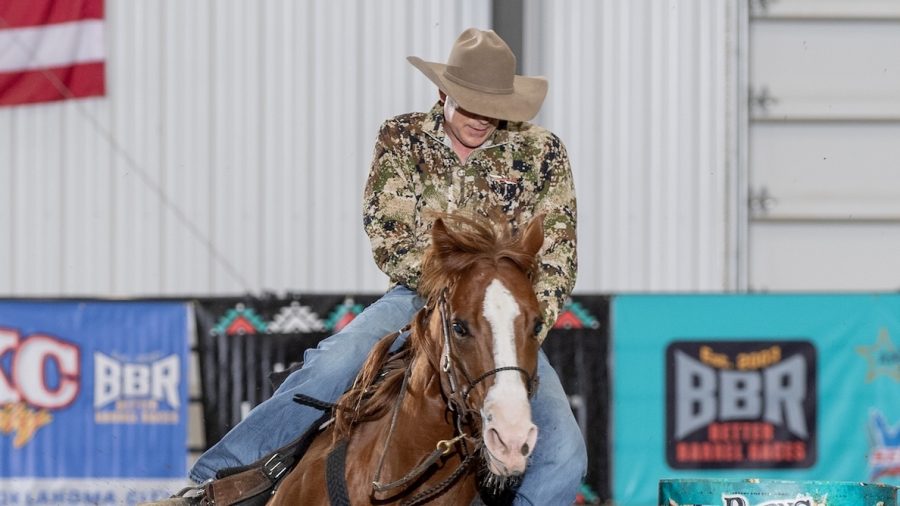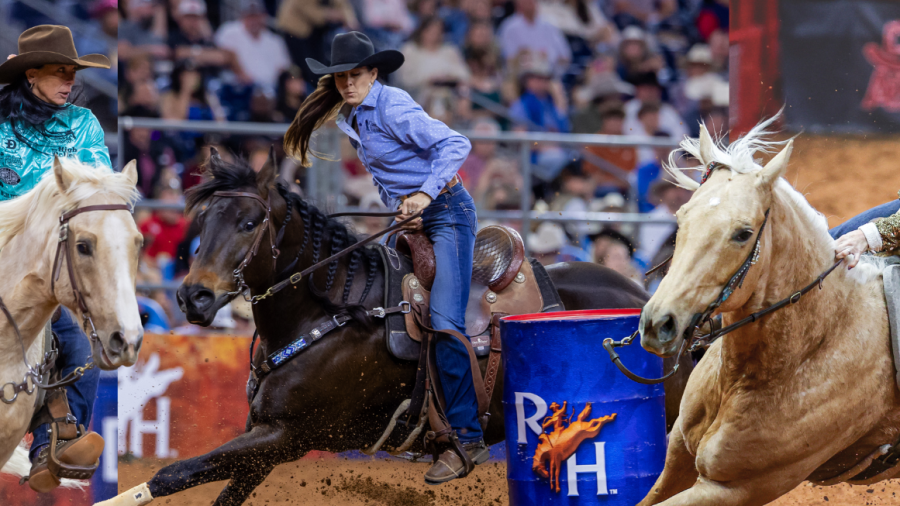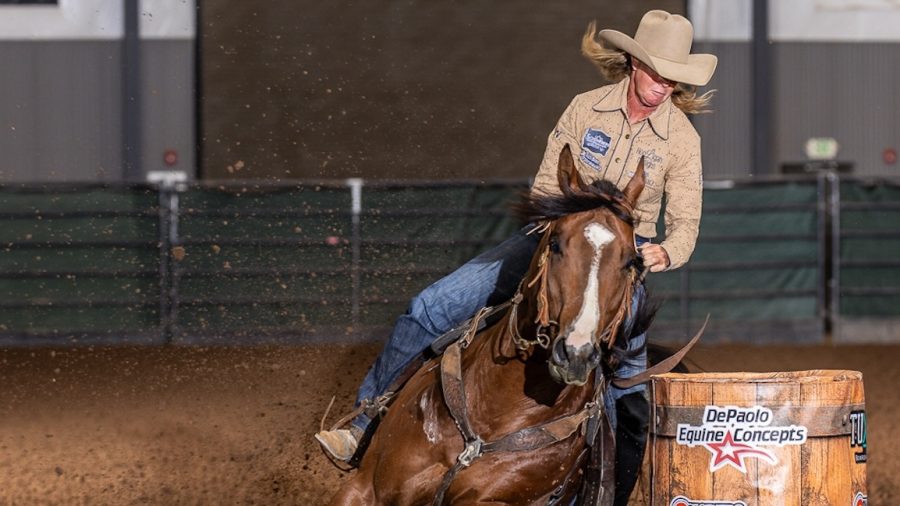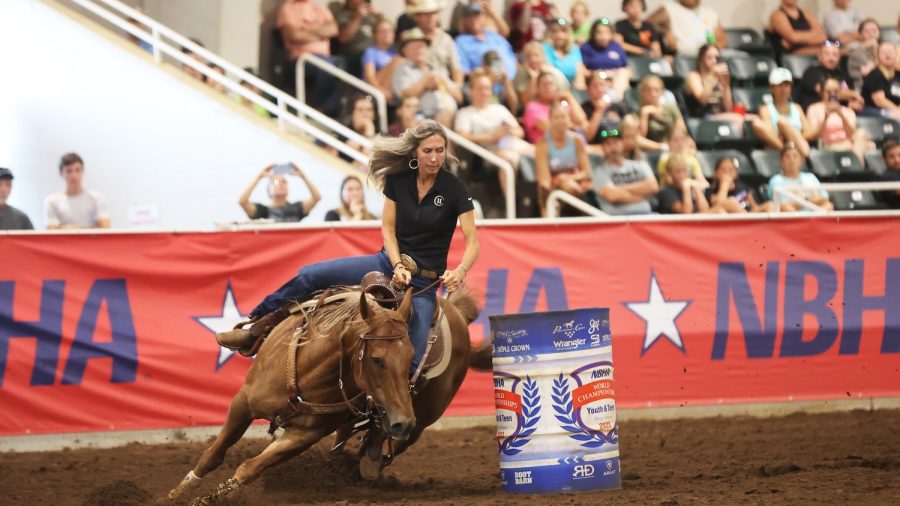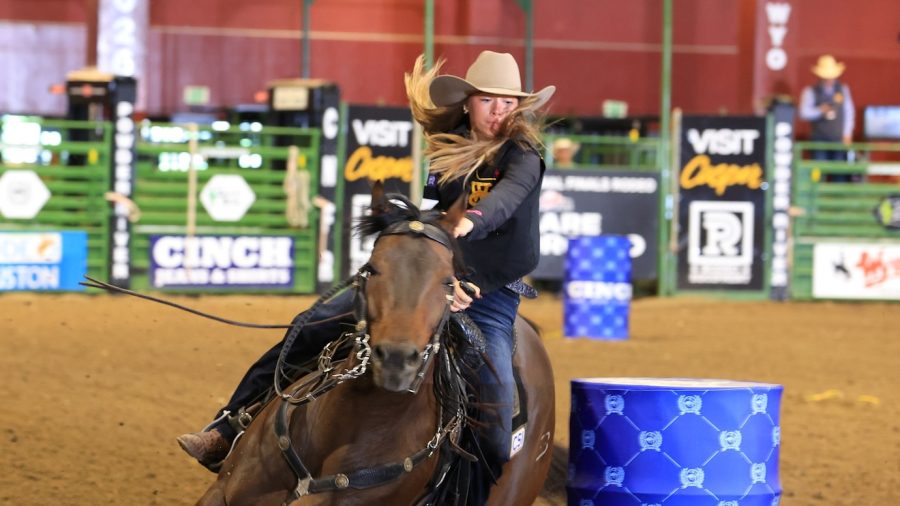

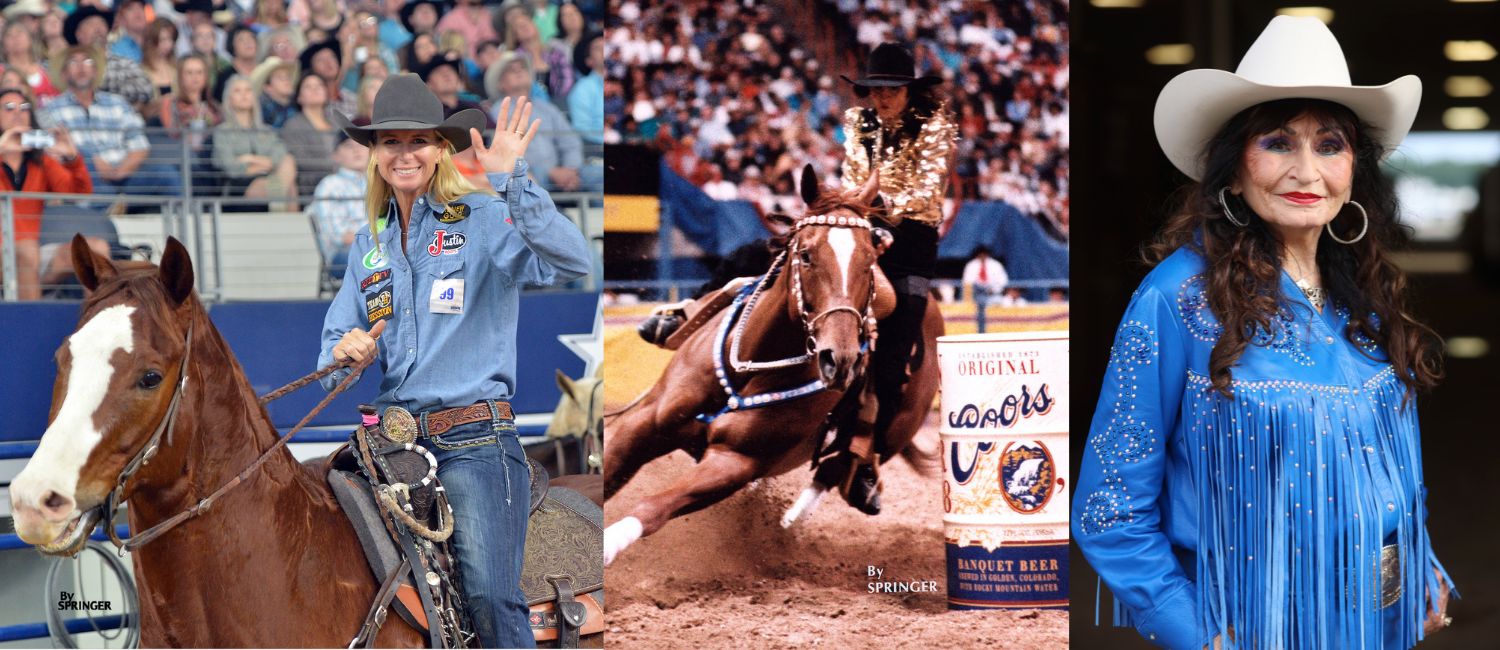
Sherry Cervi and Martha Josey share beginner safety tips. Safety must come first when you are working with your favorite 1,200-pound animals. Stick to this advice from Hall of Fame cowgirls to ensure that you and everyone around you stays safe and has fun each time you halter your horse. From hauling to stalling, competition and general ground safety around horses, these safety tips are designed to help the beginner barrel racer or horse enthusiast.
Safety First
Four-time Women’s Professional Rodeo Association World Champion and youth clinician Sherry Cervi summed things up nicely: “Safety around horses is extremely important. Honestly, it doesn’t matter if you’ve been around them your whole life, or if you’re new to it. Accidents can happen, so be aware of things and try to prevent a wreck or accident before it happens.”
Martha Josey has been a world champion of the National Barrel Horse Association, American Quarter Horse Association, Women’s Professional Rodeo Association, and has National Finals Rodeo qualifications spanning four decades. The self-titled “Queen of Safety” has also been hosting rodeo schools since 1967 and has witnessed just about every kind of mishap there is.
“You can’t be too safe around a horse,” Josey said. “A little preparation and common sense can help you and your horses have long, successful barrel racing careers.”
On The Ground
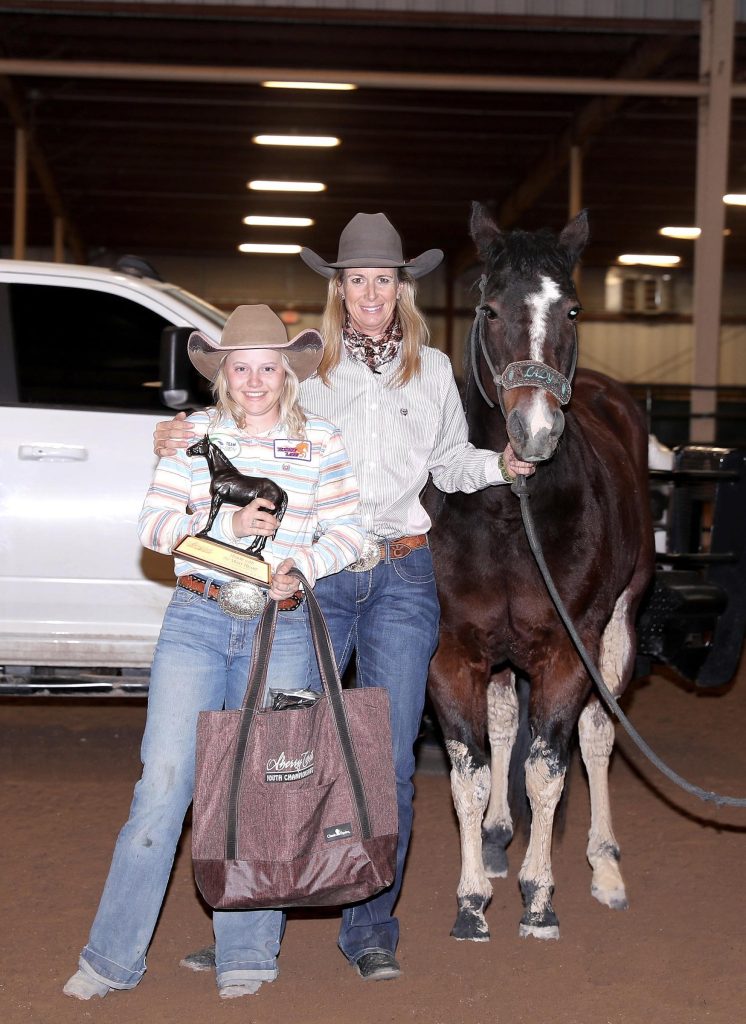
Beginning with when you catch your horse, make sure your horse is aware that you’re there and ask them to face up to you in their pen or stall first if their rear end is turned toward you. Once haltered, be cognizant of how you hold the lead rope in your hands — coils of rope can get wrapped around your hand and result in burns or injury if your horse bolts or spooks.
Sherry Cervi: “Leading horses, I keep mine off to the side, so if they do get scared and want to run forward, they’re not right behind me where they’ll run into me. When tying up, make sure you’re not tying directly to a gate or close to an open gate where they can swing around and get into it. At the trailer, I don’t tie them with the window down where they can get their lead rope under it. If I’m tying multiple horses, I try to make sure they’re far enough apart that they can’t get to each other. If you tie too close and they try to fight or kick each other, you’ll be in the line of fire.”
Martha Josey: “I see more accidents happen at the trailer than I do inside the arena. Don’t ever tie your horse up with a bridle on; always take the time to put on a halter and lead rope and know how to properly tie them up. If you tie near the window, make sure that it is good and shut, or your horse can get hung up in it. Away from the trailer, always tie to something that won’t move or come loose. Use lots of common sense.”
Safely Groom
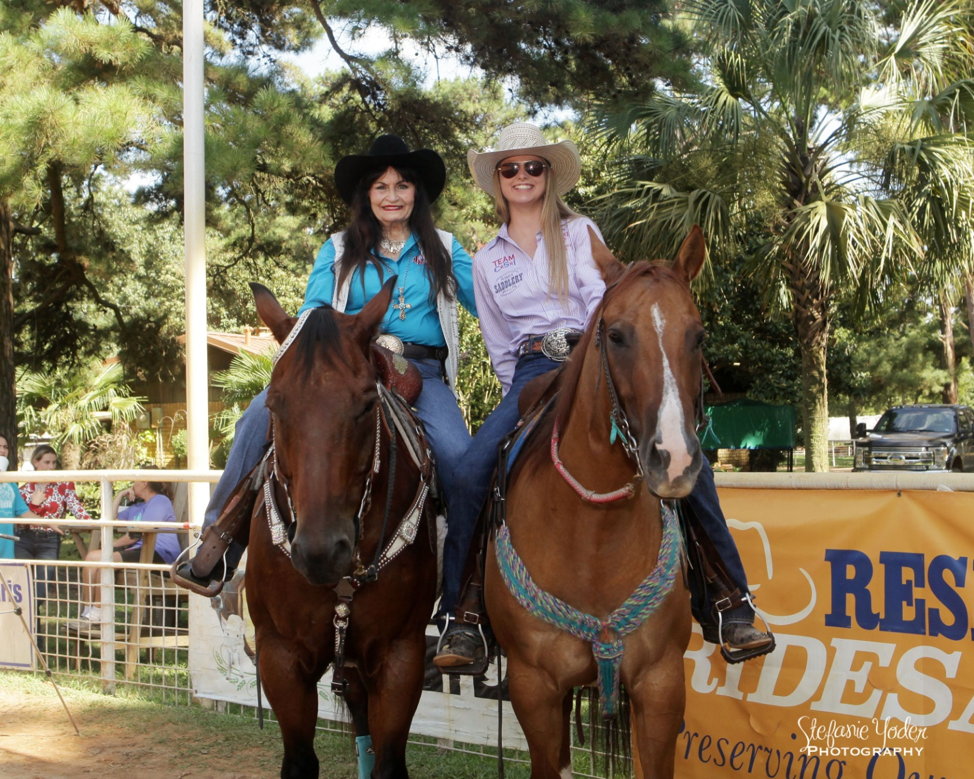
Be thorough when grooming your horse. Use that time to check all over their legs and body for any wounds, scrapes, mud or stickers that could cause an issue when you put your tack over it. Listen to your horse’s body language, and if you think something is wrong, address it before you saddle up and climb on. When you need to walk behind horses, especially those you don’t know, start at their hip if possible and let them know you are there by putting your hand on them. Keep your hand on them as you walk around their rear closely — not 3 or 4 feet away where you could get kicked squarely.
Josey: “Always remember that all horses kick. Don’t take the chance of you or your horse getting kicked. If you have a horse that kicks, put a red ribbon at the top of their tail so that everyone knows it. It’s better to warn people before it happens than apologize after.”
Tacking Up
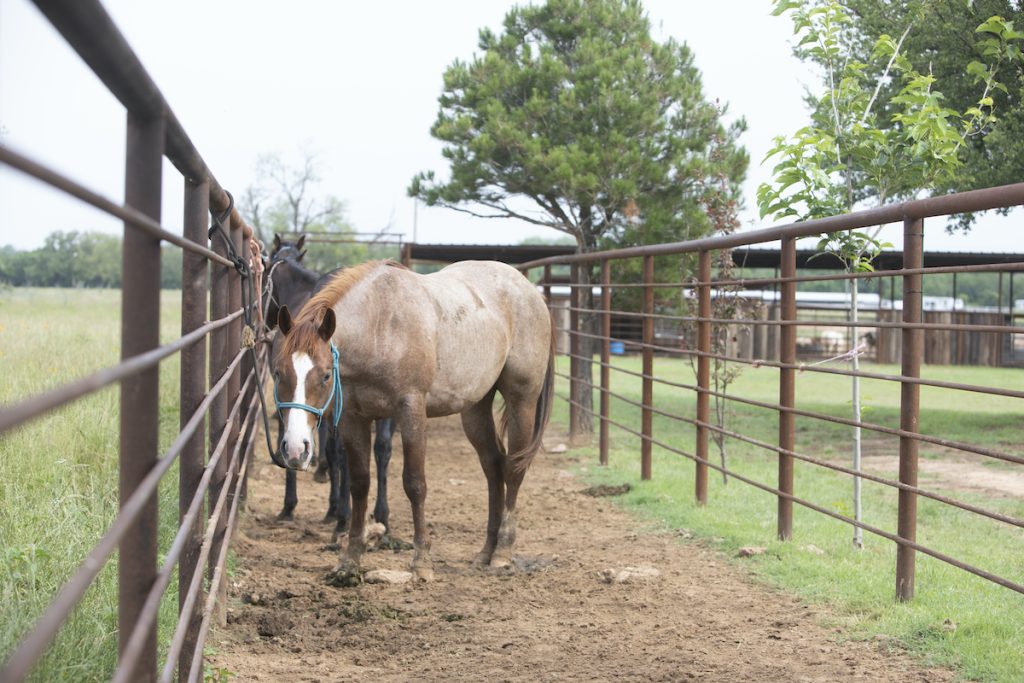
Cervi: “It’s important to have the right equipment for you and your horse and to check your equipment before you get on or if you’re going fast. Check your off-side billet to make sure it’s not worn out or getting thin. I think leather is always the best choice for latigos and billets, but make sure that they’re put on properly and check the hobble strap between your front and back cinches — you want it tight and of good quality. Make sure your cinches are not only not getting worn out, but also that they aren’t going to be uncomfortable or make your horse sore.”
Josey: “All competitors and riders need to check their equipment all over, but the two main things that can cause an accident is where the bridle connects to the bit, and the way your girth attaches to your saddle. If you have Chicago screws on your bridle, make sure once you get it adjusted that you put a touch of fingernail polish or glue to keep it securely in place. And everybody checks the on-side, but not hardly anyone will check the off-side billet. Leather can get old and rot and break, and I really suggest using nylon, but either way they can wear out. You need to check both of those every time you saddle.”
Make sure any open arena gates are securely latched before you mount up. Whether you are tied at the trailer or in the arena, when you put your bridle on, be sure to untie your lead rope before you ride away or at least tie the halter back up off of the ground. Other horses or a rider’s foot can easily get caught in a halter that’s hanging down off the trailer or fence.
In The Saddle
Stirrup length is a key aspect of safety once you’re in the saddle. Cervi would rather err on stirrups being too short as opposed to too long, especially for youth riders.
Cervi: “When you need to be able to stand up in your stirrups, you can’t do that if your stirrups are too long. Everybody likes a little different feel, but kids may not have that feel yet, so helping them find it is important.”
Josey: “Don’t ever ride without boots or something with heels. The reason boots are made for riding is so your feet won’t slip through that stirrup.”
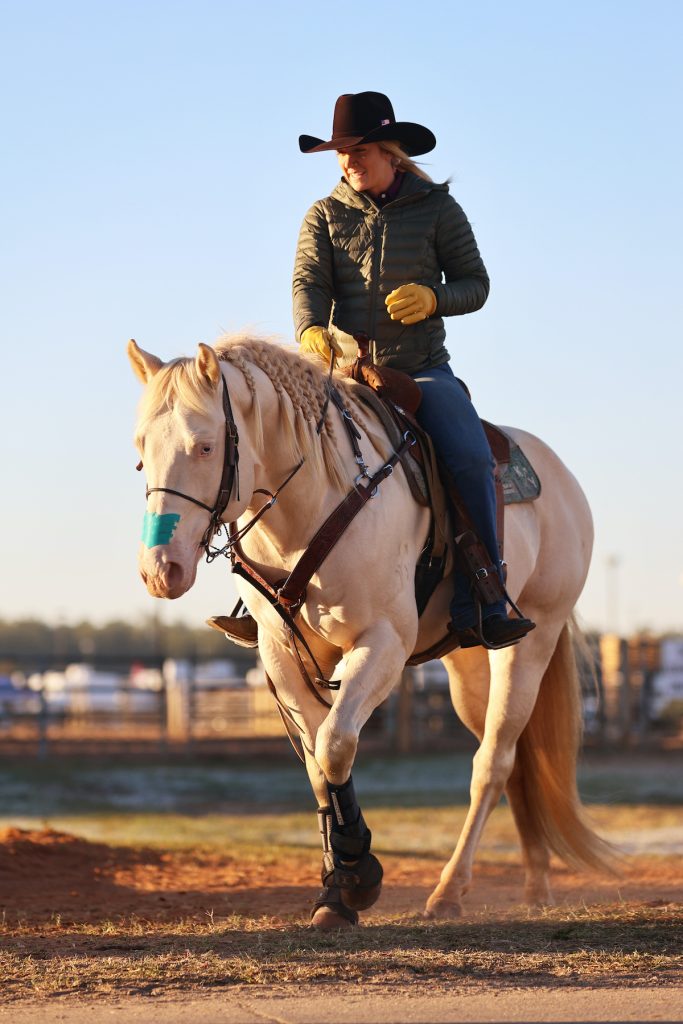
Hauling and Stalling
When you’re ready to load up and leave home, be careful when you start opening trailer doors and windows so you don’t spook a horse that’s tied nearby. There are differing opinions on whether it is best to leave horses tied or untied when they are loaded on the trailer, and you are free to choose whichever is best for you and your horses.
Cervi: “I do tie my horses so they can’t mess with each other over the partitions. I had a mare that others were biting on her, and she kicked through the back window.”
If you do choose to tie them in the trailer, be sure to untie from the outside before you open the slant to unload at your destination. You can quickly find yourself in a wreck if the horse starts to back out and panics before you’re able to get the lead rope untied.
“I will always put fly masks on to protect their eyes, and if the windows are down, make sure the bars or a screen is up so they can’t stick their head all the way out going down the road.
“Go in and check your stalls to make sure there’s no boards or anything sticking out before you turn your horse loose. It’s very, very important to not have your buckets or hay bags hanging too low. I’ve had them stick a leg in it when they lay down to roll if it’s too low. With my colts, I’ll just put their hay on the ground so I don’t take a chance on them pawing at it. I also always carry an extra bag of shavings so my horse can rest good.”
Josey: “If you have fans or other electrical equipment in your stall, make sure you tape or put the wires where your horse cannot step on or chew on them. And don’t walk your horse over extension cords that are laid on the ground.”
Be particularly cautious when you’re riding through a parking/camping area. Pay attention to where there are extension cords on the ground, loose lawn chairs or other camping equipment, and keep an out for dogs that may either be loose or tied to where your horse could get tangled in their leash.
Competition
The warm-up pen can be a particularly tricky area at a race or rodeo. Above all, be courteous of your fellow barrel racers and pay attention to what others are doing. Stay off your phone as much as possible so that you stay aware of what’s going on around you.
Cervi: “I know the warm-up is a very important part of your pre-race, but when there’s a lot of people (especially kids), we have to help each other to be safe. Pay attention to what direction everyone else is going. If you need to do something different or do a smaller circle, go to the middle or to a corner by yourself. Especially for kids, make sure your saddle is tight before you run. It should be the most important thing you do before you go in the arena. As parents, or if you’re new to this, that is the most important thing you can tell your kids. And because you’ve already done your equipment checks almost daily, you shouldn’t have to worry about a headstall or rein malfunction.”
Josey: “When you’re young or inexperienced, make sure you find a good place to warm your horse up when you get to a barrel race. Lots of people will do it on grass, but always think about not only your safety but the safety of your equine partner. It’s important for a parent or friend to be with you, too, if anything did happen. If you’ve got a horse that’s hyper on the ground and you’re scared to go in the arena with them, learn how to properly lunge them. You may need a professional’s help to learn how, but one of the most important things is having a horse that’s controllable on the ground first, before you climb in the saddle.”

Alleyway Manners
Good manners are important around the gate area and alleyway, whether during exhibitions or the competition.
Cervi: “Be respectful of other people’s time in the arena and stay out of the alley. If you need to sit there, do it during a drag or when people aren’t competing. Don’t stand in the way of the alley waiting your turn, and be aware of who’s going next and stay out of their path. If you’re on a horse that may have alley trouble and you’re standing way off away from it, speak up and let people know that you’ll be coming through so others aren’t in your way by accident.”
Rider Wrap-Up
Josey cautions against being over-mounted when you are new to the game.
Josey: “If you are riding a new horse or young horse, make sure that when you do go on the pattern, that you only go the speed you can control. Slow and safe is better than fast and wrong. If you’re a young rider or older but inexperienced, start out on a babysitter. You can always progress as you ride better.”
Cervi: “If you’re new to the industry, ask questions. Don’t be afraid — there’s no stupid questions, that’s how you learn. Find other trainers who want the best for your kids or you. Do a background check of who they’ve helped: have positive things come from them helping other people? Do your homework on who you’re having teach you or your kids, because they will be so influential and have that same mindset. Who you surround yourself with is very important; it doesn’t matter what age you are. You can listen to somebody’s conversation for five minutes and tell if they’re a positive person or not. Or maybe there is nothing wrong with their attitude, but it’s a different style and just not how you’d like to ride. Watch how they ride and treat their horses, because that’s literally what you’ll be learning. The western industry and barrel racing is a small world at the end of the day, with a lot of great people who have a lot to offer, but just be careful who you’re picking to learn from. It’s like me choosing a mechanic for my car; I’m trusting their judgment. They might be a bad mechanic, but because I don’t know that, I’ll just keep going back to them and paying them. Just do your homework. Ask around, and pay attention to how their horses work and what they look like.”