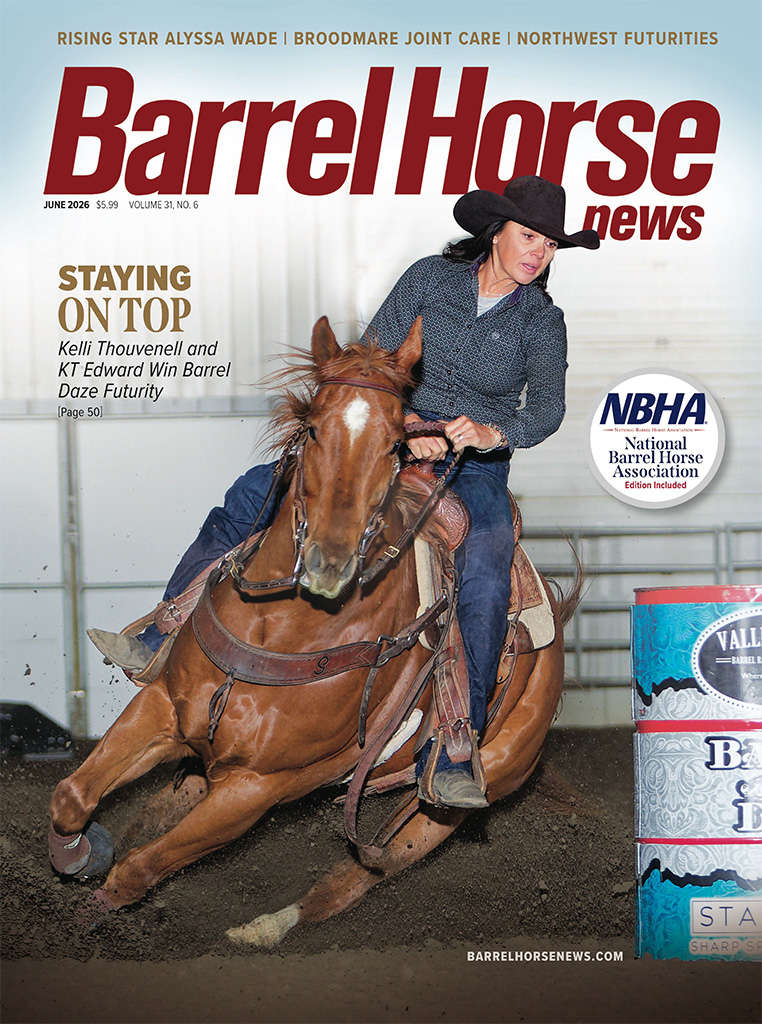


Don’t overlook your horse’s potential lameness — know the signs and what to do about them thanks to tips from Dr. Cameron Stoudt.
Nothing derails a barrel horse like lameness. But how can you recognize what lameness looks like, and when do you need to call your veterinarian? Dr. Cameron Stoudt, DVM, of Equine Sports Medicine and Rehabilitation in Pilot Point, Texas, shares her advice.
What is Lameness?
In a nutshell, Stoudt says lameness is a gait abnormality associated with either the front or hind end of the horse.
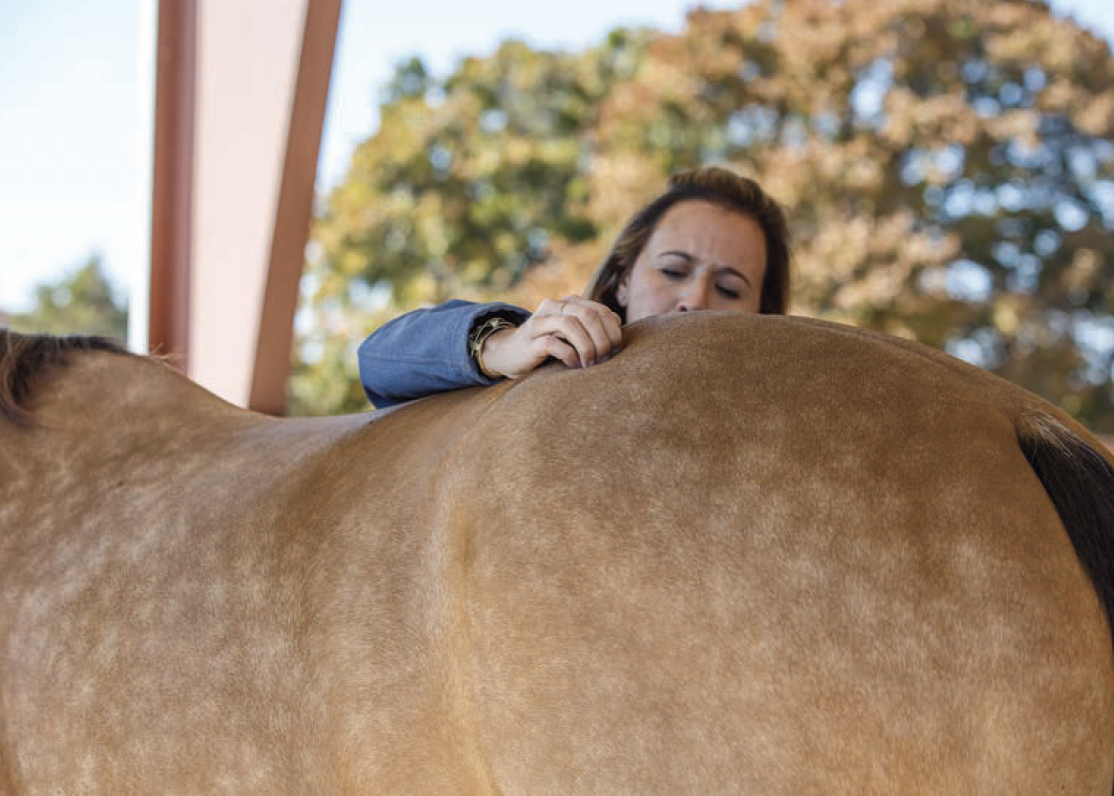
A horse with general body or muscle soreness might not show a true gait abnormality, but if you palpate its muscle, it may show soreness in the way it moves away from that pressure. Joint soreness can also cause lameness, muscle soreness or gait abnormalities.
What Does it Look Like?
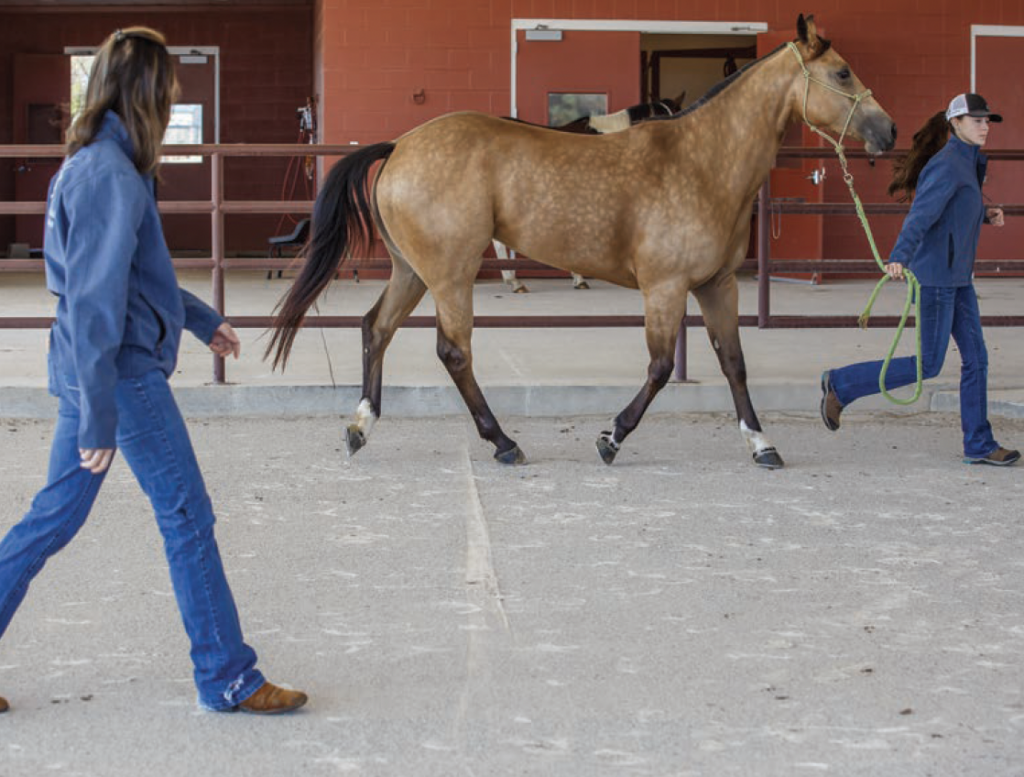
A gait abnormality is the biggest indicator of true lameness. Stoudt says the common term “head-bobbing” generally refers to indications of front-end lameness, while “short-strided” generally refers to hind-end lameness.
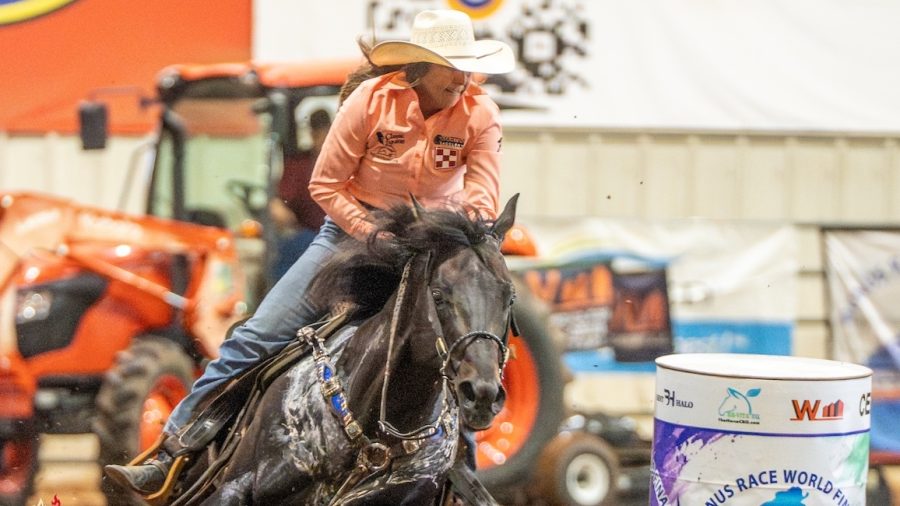
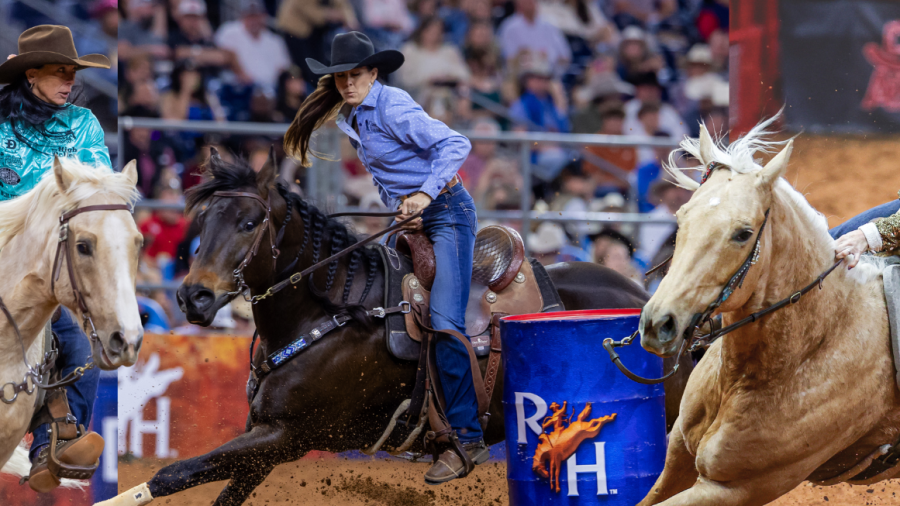
“In particular, I find that barrel horses presenting with a lameness will become inconsistent with their performance,” Stoudt said. “The commonalities in history that I find, for example, are the athlete will start to slow down and not clock, they might not want to work appropriately, they might refuse the alleyway, begin to blow off barrels, buck or have an attitude change.”
When Should You Call a Veterinarian?
Err on the side of caution, says Stoudt. Giving the horse a week off may not be the best solution, especially if you don’t know the reason for lameness. Keep in mind that a performance horse can be sore without limping or showing obvious signs of lameness to the untrained eye.
“In general, if there are any questions related to a true lameness or possible body soreness, I always feel it’s best to consult your veterinarian,” Stoudt said. “These horses are true athletes, and I feel it is best to have a good sports medicine examination to give these athletes the benefit of the doubt and find the problem.”
The Lameness Exam
Lameness exam protocols are outlined by the American Association of Equine Practitioners.
i. Discussing the horses medical history, as well as the most recent problems that are occurring
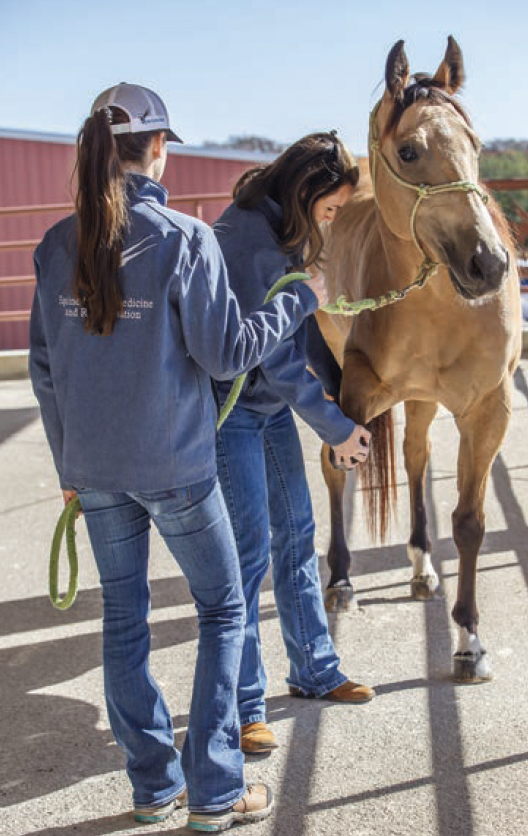
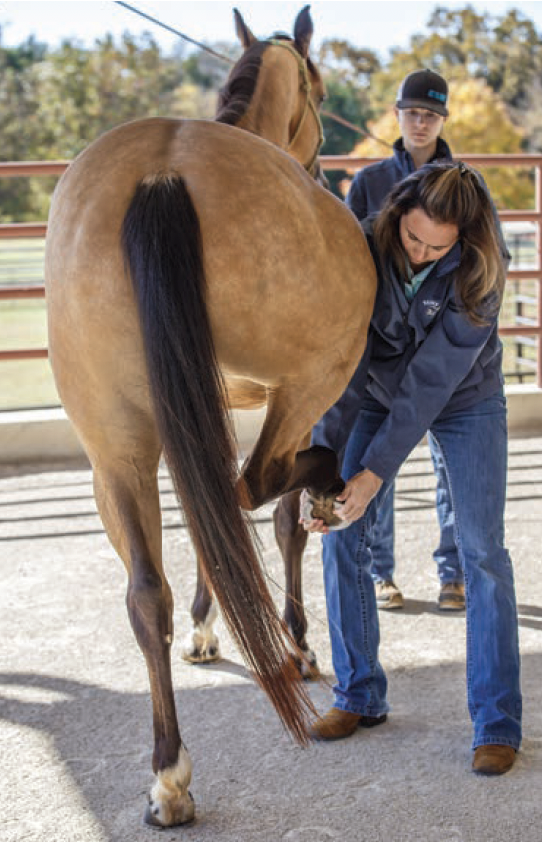
ii. Palpation of the horse at rest and at motion (flexion test) of the joints, tendon, ligaments and muscle regions (noting for any physical abnormalities)
iii. Evaluation of the horse in motion at a walk, trot, and lope; potentially on different ground surfaces to assess their gait.
iv. Joint flexions (both front and hind end)
v. Diagnostics — Potential nerve and joint blocks (trying to narrow down a specific location and cause of the lameness)
vi. Radiographs (X-rays) and ultrasound
vii. In some cases, MRI or bone scan might be warranted
Why is My Horse Lame?
For barrel horses, Stoudt tends to see front-end foot issues (coffin joint/navicular), sore hocks and stifles, kissing spines and suspensory ligament issues.
“I personally see more hind-end suspensory issues than front-end suspensory issues with barrel horses,” Stoudt said.
With so many possible reasons for lameness, that’s why it’s a good idea to consult your veterinarian if your horse comes up sore, develops strange behavior on the pattern or in the alley, or feels like it’s moving differently under saddle.


Treatment Options
Depending on the severity of the lameness and what exactly is causing the lameness, Stoudt said treatment can be very extensive and varied.
“The treatments range depending on the cause of lameness and severity of lameness,” Stoudt said.
For generalized joint soreness, joint injections are frequently used to decrease inflammation in a particular joint that is causing a problem, says Stoudt.
For generalized body soreness, your vet may prescribe muscle relaxants such as Methocarbamol as well as NSAIDS such as Bute, Banamine or Equioxx.
Final Thoughts
Listen to your horse and pay attention to any changes in his demeanor or performance, says Stoudt.
“I personally feel it is best to give your athlete the benefit of the doubt, especially if anything appears ‘off’ or the horse’s performance has varied in any way,” Stoudt said. “Depending on the severity of the lameness and what exactly is causing the lameness, it can be extensive. Small, seemingly insignificant problems can change to very big and performance-limiting problems quickly, so it is best to have a veterinarian do a proper lameness examination to make sure nothing is truly injured or sore.”
Not all lameness will sideline your horse. But you’ll need a diagnosis to tell the difference between mild soreness and a more serious issue.