
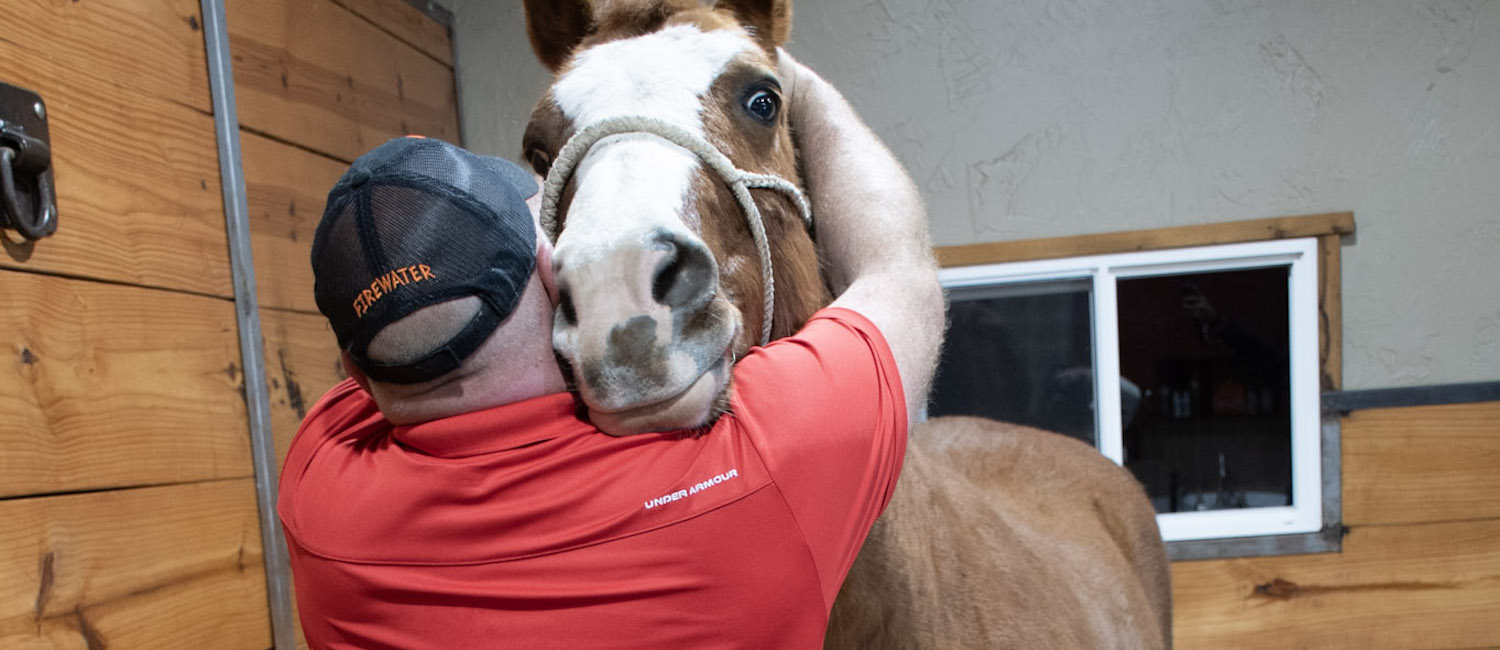
Dr. Paul Loe of Firewater Equine discusses how equine chiropractic works, the benefits and when your horse needs an adjustment.
Dr. Paul Loe, DVM, cAVCA, is a licensed equine podiatrist and chiropractor with more than 20 years of experience. After graduating from Ross University College of Veterinary Medicine, he interned at Weatherford Equine Medical Center where he stayed for 10 years. Now, he owns Firewater Equine where he provides advanced lameness care, therapeutic shoeing and chiropractic services. He is also an instructor at Parker University College of Chiropractics in their animal chiropractic program. Firewater Equine is based in Weatherford, Texas.
Here he talks about what equine chiropractic adjustments do to the body, when a horse should be adjusted and when they should not, and more.
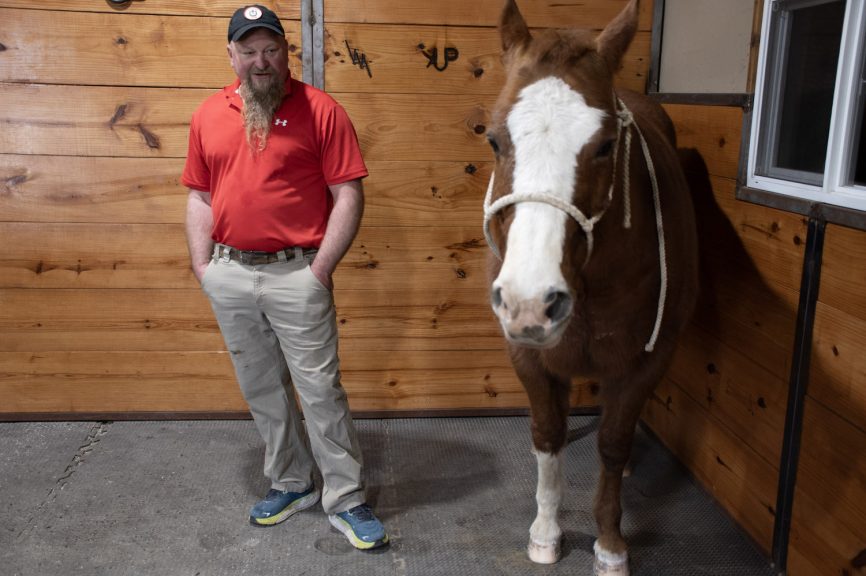
Barrel Horse News: What do chiropractic adjustments do to the body?
Dr. Paul Loe: The nervous system in the body is an information highway. On occasion the highway develops some bumps/potholes in the road that slow down or even block the communication between the brain to the rest of the body. Chiropractic adjustments are a way of fixing those bumps and potholes to get information flowing freely and at maximum speed. Adjustments are only moving the vertebrae and bones a minute amount; but much like a high performance vehicle it needs calibration and fine tuning to get the most out of it.
BHN: In what ways does chiropractic work benefit a performance horse?
Loe: Regardless of discipline, horses are much like high performance cars. We ask these animals to do some amazing maneuvers, not all of which are natural. This will cause them to come out of alignment and not perform at their highest level. Consistent chiropractic work keeps them performing optimally. Usually, not always, horses that are adjusted routinely tend to hold their adjustments better and are easier to adjust with less adjustments necessary.
BHN: Are there horses that shouldn’t be seen by a chiropractor?
Loe: Yes, acute injuries or horses showing neurological signs should first and foremost be evaluated by your veterinarian. Once it is determined there aren’tany broken bones or other pathology, the horse is safe to adjust.
BHN: How often could a horse be adjusted? How often is too much?
Loe: I believe every horse is different. Some horses hold stress more than others and typically need more frequent adjustments. Conformation also plays a role into how a patient holds their adjustments. The skill of the rider will influence frequency. If the rider is not balanced and is flopping around that will throw a horse out of adjustment. Athletes gearing up for a big event, I like to see a couple of times leading up to it and usually at least once immediately after. Routine maintenance wise, most clients like to get them adjusted every 2 months. I don’t believe adjusting more than once a day is beneficial. Most instances, I’ll adjust a horse that is severely out and see them again in 7-10 days. This allows the body to process the adjustment, and any muscle soreness will be gone.
Two critical things must be addressed for a horse to hold their adjustments. Their feet must be balanced and their teeth must be properly floated. If you do not have both of those your horse is going to need adjustments frequently.
BHN: What parts of the body can be impacted by chiropractic adjustments?
Loe: Each discipline has their areas on the body that are more commonly out. With barrel horses; hitting a barrel can cause the manubrium and sternum to go out of adjustment. Western sport horses in general will have neck, lumbar vertebrae, and pelvis misalignments routinely.
In my opinion, any creature with a backbone will benefit from an adjustment no matter their age or prior history. A horse that pulls back will typically be out at the poll along with other vertebrae in the neck. Many times, the TMJ is also involved in adjustments in a horse that has set back. Depending on how they sat back the pelvis can come out of alignment as well. Barrel horses hitting a barrel with their chest will often have a manubrium/sternum out as well possibly a stuck shoulder. Improper saddle fit is a common problem that we see and results in thoracic, ribs and lumbar vertebrae needing attention.
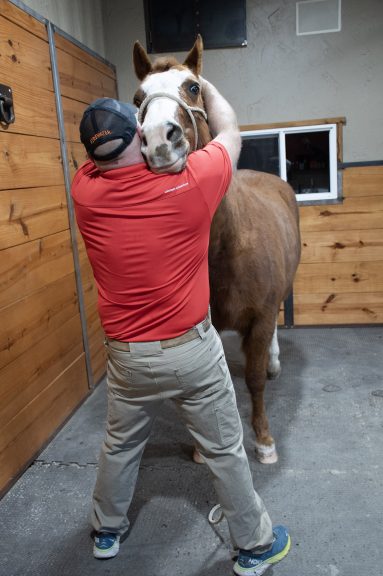
BHN: What other therapies or bodywork do you recommend be used along with chiropractic adjustments?
Loe: Acupuncture is a great modality to use with chiropractic adjustments, which I am currently working towards my certification in. Acupuncture helps with myofacial release and that helps keep the horse in adjustment. Red light/laser therapy is useful in helping to decrease inflammation, increase blood flow as well as help with pain. Massage therapy acts similar to acupuncture in providing myofacial release. Shockwave is a great modality for horses with chronic back problems. It’s going to reduce pain, increase blood flow and promote healing.
BHN: How can a rider know how often their horse needs adjusted or when to schedule an appointment?
Loe: I recommend getting your horse adjusted first and seeing/feeling the difference. Then, when your horse starts to feel different or not perform as well it may be time for an adjustment. Horses are intelligent and obedient creatures. They will perform to the best of their abilities when in pain because that is what they know. Once they get used to being adjusted and how they feel afterwards; lots of times they will start letting the rider know things aren’t right and they need something fixed. That can be manifested in refusal to do something.