
New World screwworm has been reported in several Texas counties as of June 10 after cases in Central America and Mexico increased since 2023. Find answers to common horse owner questions related to NWS here.
The Texas Animal Health Commission shared that cases of New World screwworm (NWS) have quickly increased since 2023, expanding to Costa Rica, Nicaragua, Honduras, Guatemala, Belize, and El Salvador. In November 2024, NWS was detected in a cow at an inspection checkpoint in Chiapas, Mexico. Progressive Northern spread of NWS has been confirmed in Mexico since the original detection.
The Texas Animal Health Commission confirmed the first reported case of NWS in a three-week-old calf with an umbilical lesion in Zavala County, Texas on June 3.
This is a highly preventable and treatable condition using approved products and animal care. However, left untreated, animals can die within one week of infestation. Veterinarians say not to panic, just pay attention.
Current Texas Statewide Situation Update
There is currently a quarantine in place due to an established New World Screwworm Infested Zone in parts of the following Texas counties: Edwards, Gillespie, Kerr, Kimble, La Salle, Sutton, Uvalde, Val Verde, Webb, Zavala.
According to the TAHC Executive Director Orders issued, all warm-blooded animals in a zone may not move out of the zone without prior authorization from the Texas Animal Health Commission (TAHC).
Warm-blooded animals moving outside of an infested zone must contact the TAHC to set up an inspection. During this inspection, an animal health official will fill out an animal movement certificate listing the product used for prevention or treatment and the animals’ official ID. This certificate will need to accompany the animal movement.
Reported cases in Texas and New Mexico:
- June 9, 2026: Edwards County, Texas, calf, castration wound
- June 9, 2026: La Salle County, Texas calf, umbilical lesion
- *June 8, 2026: Lea County, New Mexico, dog reported in Andrews County, Texas
- June 8, 2026: Gillespie County, Texas, goat, castration wound
- June 7, 2026: La Salle County, Texas, one-week-old calf, umbilical lesion
- June 5, 2026: Zavala County, Texas, 30-day-old calf, umbilical lesion
New World Screwworm Confirmed Detection Dashboard
What is New World screwworm?
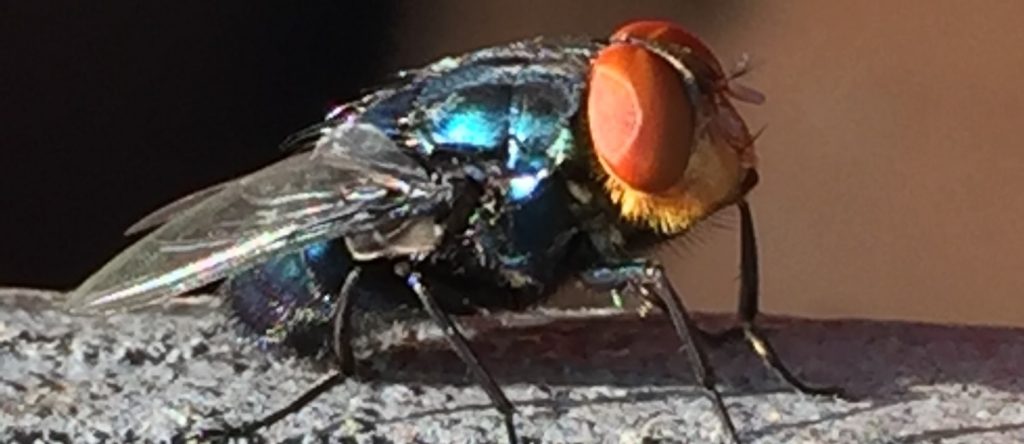
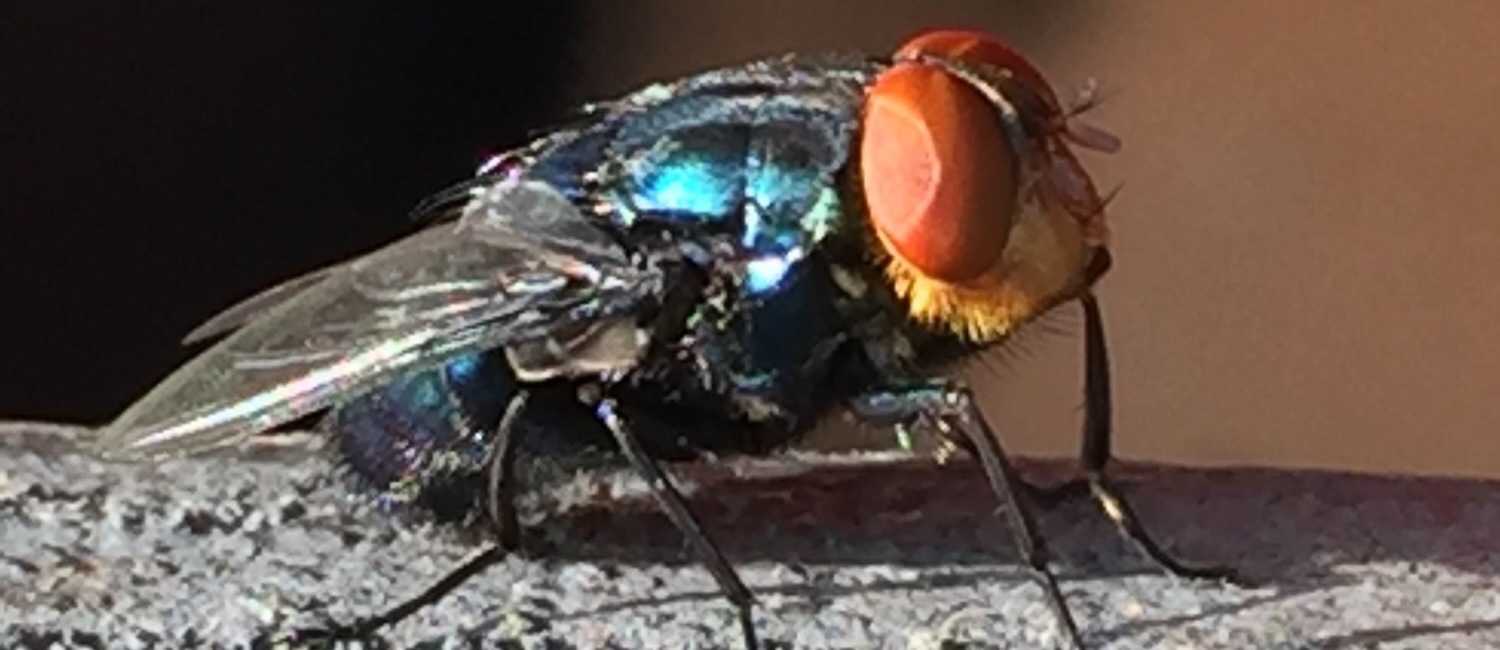
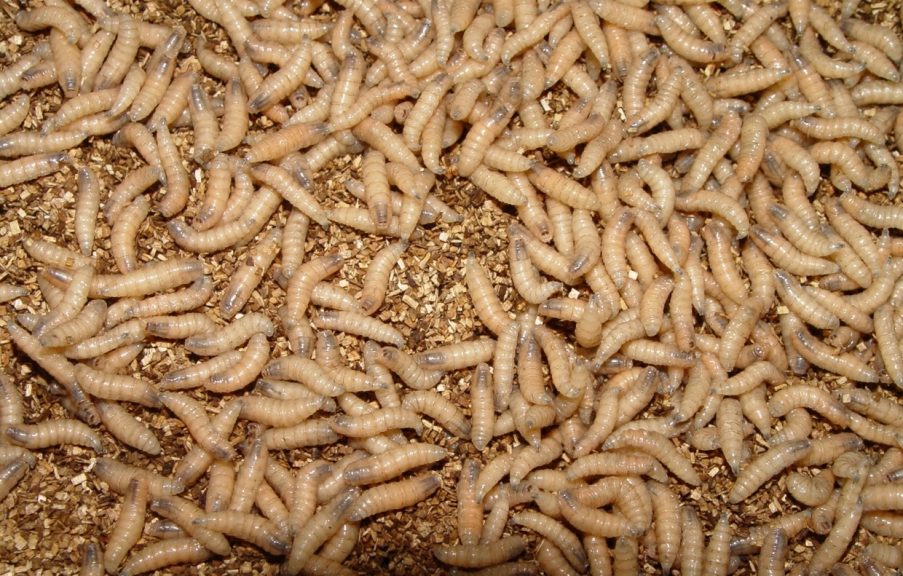
NWS are larvae or maggots of the NWS fly (Cochliomyia hominivorax), that cause the painful condition NWS myiasis. NWS flies lay eggs in open wounds or orifices of live tissue. These eggs hatch into dangerous parasitic larvae, or maggots, which burrow or “screw” into flesh with sharp mouth hooks. NWS primarily infest livestock, but can also affect any warm-blooded animal, including wildlife, pets, humans, and birds.
Common Areas of Infestation
- Newborn animals’ umbilical stump/navel
- Mucous membranes — genitalia, eyes, nose, mouth
- Damaged skin — cuts, scrapes, stings, tick bites, antler/velvet shedding
- Management-related — dehorning, ear tagging, castration, branding, calving, fawning
There are several flies associated with wounds, but only NWS feed on living tissues, compared to dead tissues and fluids. The identification of NWS is done by larvae collection and evaluation. NWS larvae have a series of backwardly protruding spines around a tapered body, giving a screw-like appearance, helping to identify the pest.
What should I do as a horse and pet owner?
The TAHC recommends that livestock and pet owners can help avoid infestations of NWS by staying vigilant, monitoring animals, and reporting any suspicions of NWS flies, maggots, larvae, and secondary infections.
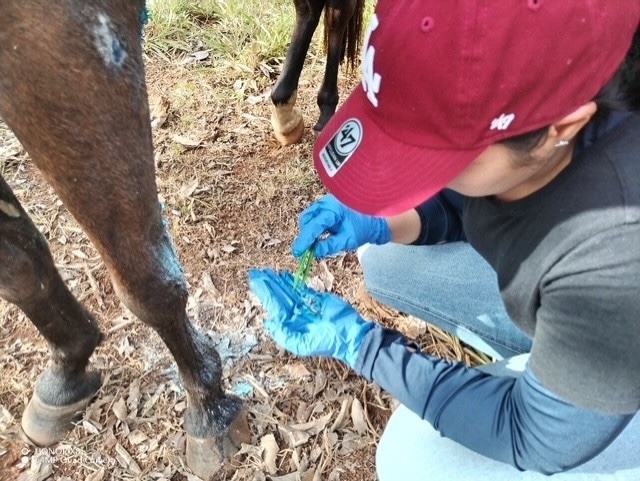
In addition to frequently monitoring animals, producers should implement enhanced management practice including keeping open wounds clean and covered. Animals infested with NWS should be immediately treated with an appropriate method under the direction of a veterinarian. If you suspect NWS in your livestock or domestic animals, contact the TAHC immediately and do not move your animals. A representative will advise you on current collection protocols for submitting suspicious maggots. Contact the Texas Parks and Wildlife Department (TPWD) for wildlife infestation information and the Texas Department of State Health Services (DSHS) for human infestation information.
- Check livestock for evidence of NWS infestations, including flies, maggots, larvae, or eggs.
- Monitor body openings such as the nose, ears, umbilicus, or genitalia for drainage or enlargement.
- Observe animals for clinical signs of NWS myiasis and secondary infections.
Clinical signs of NWS myiasis may include:
- Irritated or depressed behavior
- Loss of appetite
- Head shaking
- Smell of decaying flesh
- Evidence of fly strike
- Presence of fly larvae (maggots) in wounds
- Isolation from other animals or people
Can you treat NWS?
Treatments may vary and should be evaluated using current recommendations for specific species and areas affected. Treatment guidance should be discussed with a veterinary practitioner.
This is a highly preventable and treatable condition using approved products and animal care. However, left untreated, animals can die within one week of infestation.
Eradication of NWS infestations is accomplished through the sterile insect technique. Sterilized male flies are released to mate in an area with an established NWS population. Females, only mating once in their lifetime, then lay nonviable eggs. The population decreases without the addition of new larvae and dies off naturally over a few lifecycles.
In combination with producer management practices, effective and efficient treatment of wounds, and diligent response tactics, the sterile insect technique is a proven tool for fighting the spread of NWS. According to the USDA, the release of sterile flies is safe and poses no risk to wildlife, livestock, or people in infested areas.
What are the current travel restrictions?
The USDA Animal and Plant Health Inspection Service (APHIS) shared that Mexico has stopped all imports of many different species, including equine.
The Canadian Food Inspection Agency announced June 5 that it would temporarily limit imports of animals, including livestock and horses, that originate from or were present in Texas within 21 days prior to arriving at the U.S-Canada border.
Has NWS been in the U.S. before?
The TAHC said NWS was eradicated from the United States in 1966 using the sterile insect technique. Sterile fly dispersal efforts, including ground release and aerial dispersals, to eradicate NWS are underway in affected areas.
Targeted releases of sterile NWS flies are being expedited to eliminate any reproducing populations in the area associated with the detection. When combined with enhanced surveillance, movement restrictions, prompt treatment of wounds, and education and outreach efforts, the sterile insect technique is a proven and effective tool for controlling and eradicating this pest.
The United States Department of Agriculture said the current risk to animals and people in the United States is very low. Their focus is preventing the spread to livestock and wildlife populations nationwide.
More information can be found at:
- Texas Animal Health Commission
- USDA Animal and Plant Health Inspection Service
- American Veterinary Medical Association
- Equine Disease Communications Center