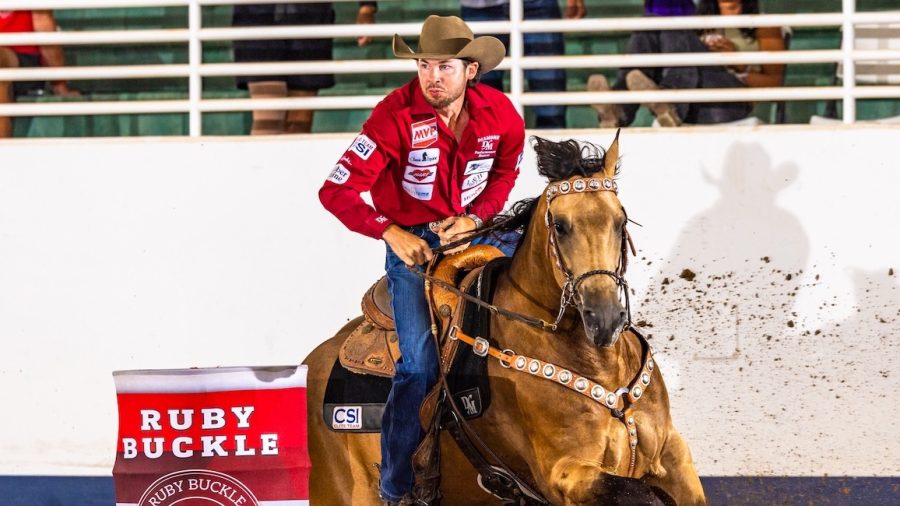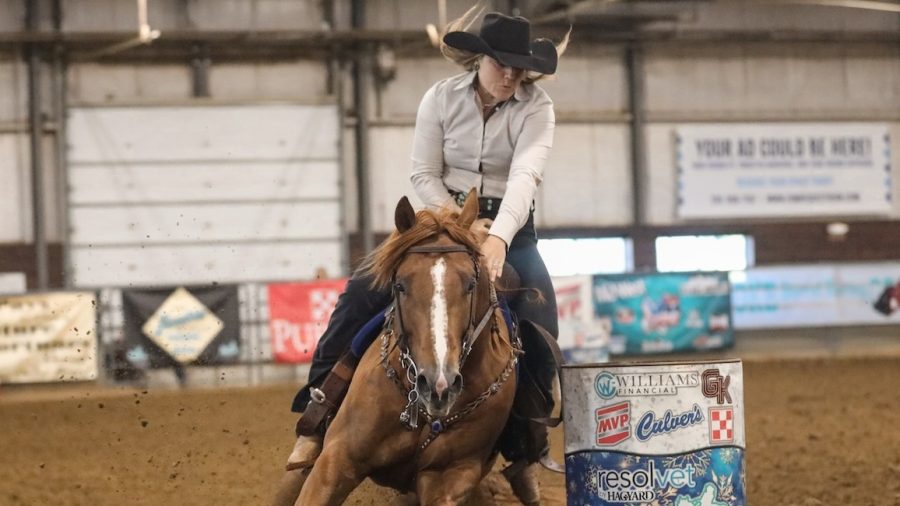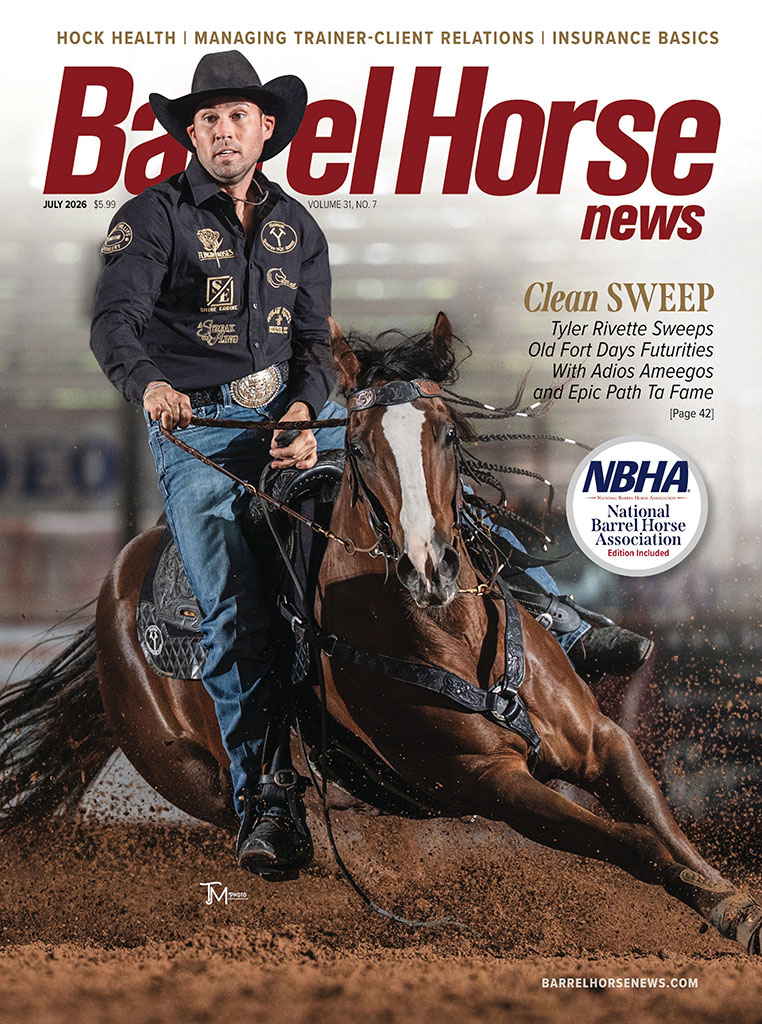


Barrel Horse News caught up with college rodeo coaches to share their insights for prospective students interested in college rodeo.
The National Intercollegiate Rodeo Association, headquartered in Walla Walla, Washington, was founded in 1948 and now oversees 11 regions across the country, sanctioning more than 100 rodeos for nearly 3,400 student members annually. From community colleges to universities, college rodeo programs come in every size and event specialty, making it a diverse athletic program.
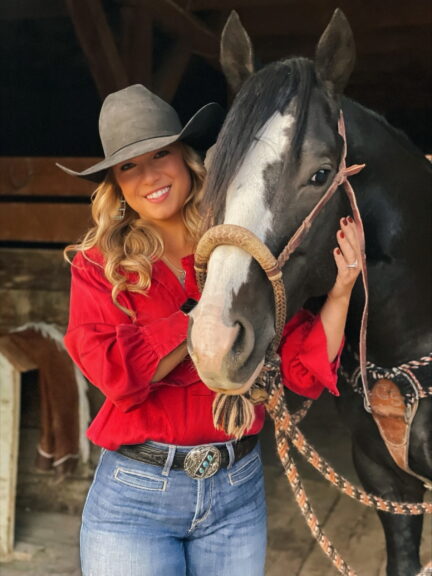
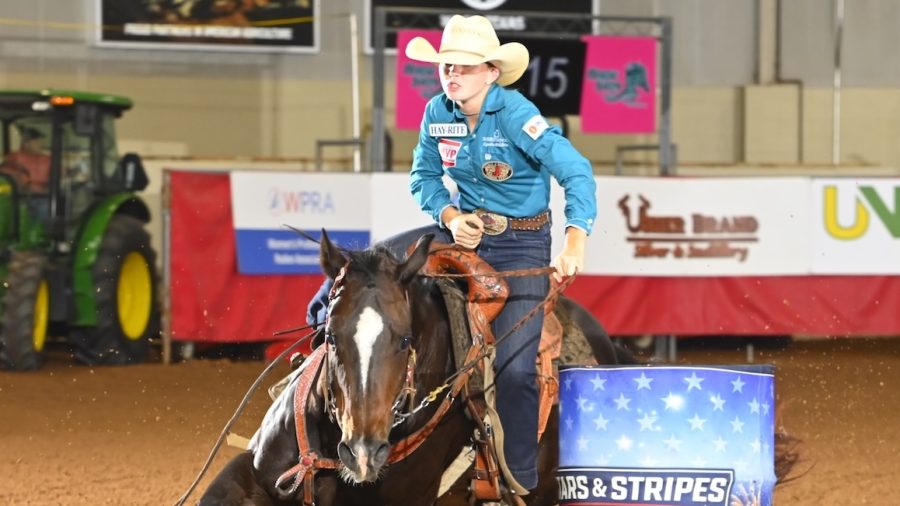
Casey Rae Sellers, rodeo coach at Gillette College in Gillette, Wyoming, grew up in the National Little Britches Rodeo Association and high school rodeoed, later college rodeoing for Gillette College and the University of Wyoming as an all-around cowgirl, competing in barrel racing, goat tying, breakaway roping and team roping. A multi-time College National Finals qualifier in many events, she graduated with a master’s in animal and veterinary science and began her coaching career in Gillette. Sellars has won the Mountain States Circuit Finals breakaway roping average, roped at the first Cheyenne Frontier Days breakaway roping and has continued to train barrel horses throughout her rodeo career.
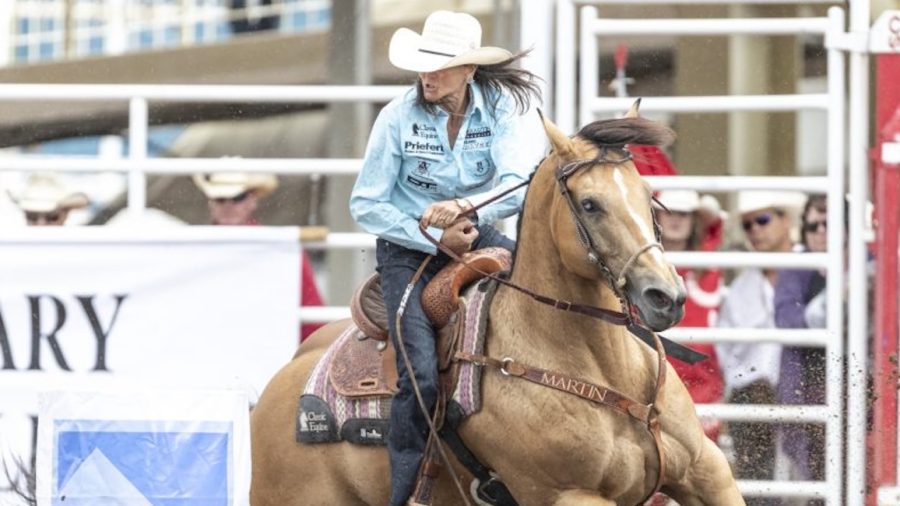
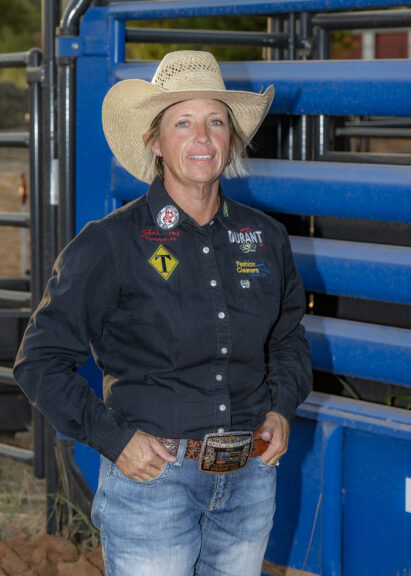
Christi Braudrick, head rodeo coach at Southeastern Oklahoma State University in Durant, Oklahoma grew up competing alongside her brothers since she was 6. Her grandfather raced Quarter Horses in Oklahoma, giving her access to barrel prospects. After a successful junior high and high school rodeo career in multiple events, Braudrick attended Murray State College in Tishomingo, Oklahoma and continued to train horses from her grandfather for futurities. She transferred to Southeastern Oklahoma State University and received a degree in education. After college, Braudrick became a high school social studies teacher and basketball coach for 15 years, still roping at amateur rodeos and taking her kids to junior rodeos. Returning to Durant, Oklahoma, Braudrick taught physical education classes in addition to coaching prior to 2020. She now serves as the head coach full time, is a Women’s Professional Rodeo Association breakaway roping director, and hits the rodeo road as a professional breakaway roper when she’s not at a college rodeo.

Barrel Horse News: What is the process for your school for prospective team members?
Sellers: “Anyone who’s interested in coming is welcome to reach out to [Gillette College head rodeo coach Will LaDuke] or myself. While we watch the up-and-coming class, it never hurts to contact us and start building a relationship. We handle our recruits personally and take a lot of pride in the athletes that we have. We ask for competition videos, generally set up a tour of the campus, get the students to practice with the team if possible, and go from there.”
Braudrick: “We do go out and recruit, but I feel like a lot of people on our team, they sometimes draw people to our school when we do good and win. I do go to as many events as I can to watch people. I think being out here competing professionally helps, because I’m around a lot of young individuals who are competitive and professional rodeo. I think competing myself helps as well, just being around that caliber athlete and having an opportunity to talk to them and see what they do.”
BHN: What should students prioritize when choosing a school to rodeo for?
Sellers: “I say this 100% depends on your priorities as a student-athlete. For me, it was important to bring up young horses, get ample individualized practice, and be on a team that would push me to improve. It just is contingent on what you need to succeed academically and in your goals.”
Braudrick: “I encourage kids to go visit a team practice and campuses and ask a lot of questions, because the last thing I want is somebody to come to my school and wish they would be somewhere else. Look at what those schools offer for you and what the coach is OK with you doing. I think that’s the two most important things. I think you need to look at what’s best for you. If you want to be on your own, doing your own thing and be online, you need to find a school that’s OK with that. Finding a program that fits you and a coach that fits you is your top priority.”
BHN: How does choosing the right school impact students’ success in and out of the arena?
Sellers: “I think oftentimes, it is less about the school and more about the people at the school who impact a student’s success. The saying, ‘You become like the five people you spend the most time with,’ truly resonates with me. It’s so important to choose a team that embodies a strong work ethic, is dedicated to their goals, supports one another even in competition, and demonstrates mental resilience.”
BHN: What does barrel practice look like for your students?
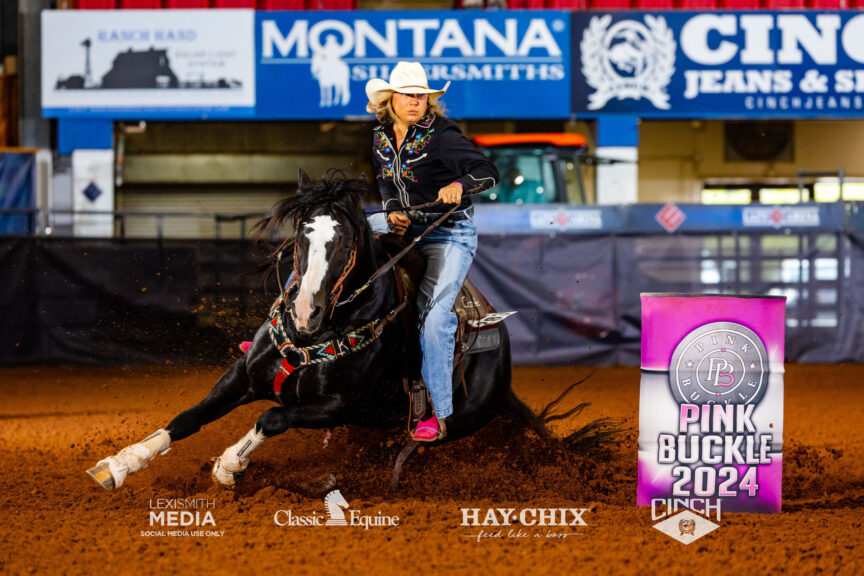
Sellers: “We’re really fortunate that our barn is used exclusively by the rodeo team. We don’t have to share it with the public or any other equine programs, allowing our practice to be very focused, and we can take the time necessary to create and sustain great horses. Each day, the barrels are set up at some point. Usually, they’re arranged in a cloverleaf pattern, but sometimes we work on a four-barrel drill and occasionally the poles are set up. Many of the students have young horses, so there’s a lot of slow work, but as we approach the season, we set up the eyes and put the better horses on the clock to check their fitness. We’re also very lucky to be in a jackpot hub, with opportunities to compete regularly in Gillette or just a couple of hours away in any direction.”
BHN: Is there something you wish you had known sooner about the college rodeos that would have aided in your success when you were competing?
Sellers: “I think the biggest thing that freshmen do that I know I did in college is put college rodeo on a pedestal. Parents, take your kids as much as you can. Give them exposure on large platforms. Let them fail. Let them learn that it’s not the end of the world to fail, and let them learn to succeed and learn that it’s not the world to win either. College rodeo can provide so many great opportunities and give you lifelong connections that far surpass the arena, but who you are as a person leaves a far bigger impact than what you accomplish within the arena fence.”
Braudrick: “I would say you can’t compete in just 10 rodeos a year and expect to be competitive in college. I see that a lot — you have got to go up and down the road and be mentally able to handle the pressure of 10 rodeos, and then you also have got to learn to overcome that, because a lot of times the region is won in three and four rodeos out of 10. Treat it just like another rodeo. I think the more you can compete to get ready for college at a higher level than you are, you’ll be ready for it when you hit it.”
BHN: What advice would you give to someone who is planning to start their college rodeo career?
Sellers: “Be appreciative. Be appreciative to the people who got you to this point and support you, to the people who show up daily for you, for the horseflesh underneath you, and for the opportunity before you. And be appreciative of the time — the time goes fast, so be aware of how you spend it and who you spend it with.”
——>>>> Read more from Sellers and Braudrick in the April 2025 issue of Barrel Horse News.