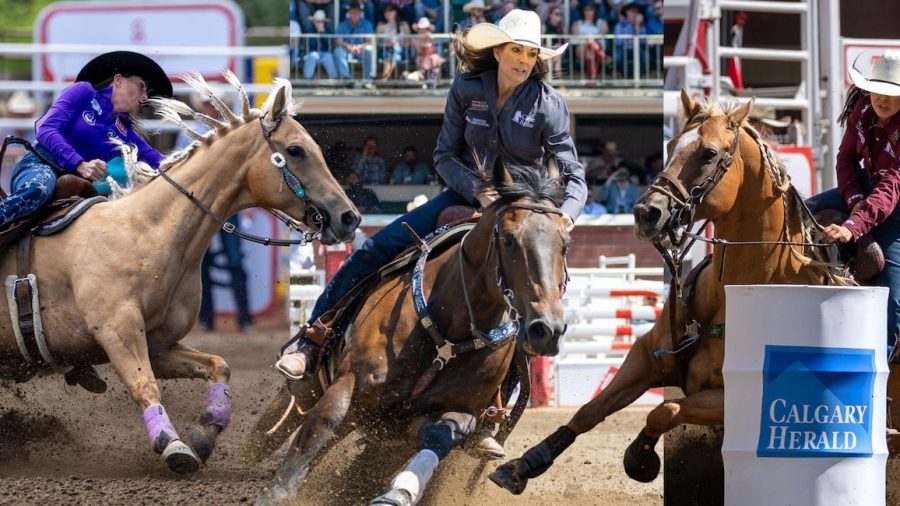

Whether you live in an area accustomed to winter weather or a milder climate, preparation for winter storms is key to keeping you and your horses safe and warm.
Snow, ice and cold temps are just another season for barrel racers in many parts of the country. But the 2021 “Snowpocalypse” that hit Texas, Oklahoma and surrounding regions was a crash course on winter horse care for riders living in typically milder winter climates. The historic storm provided a taste of the challenges — and joys — of wintertime horse ownership.
Whether you live in the snow belt or simply want to be ready for unpredictable storms, preparation is key to weathering the worst winter conditions.
The Water Conundrum
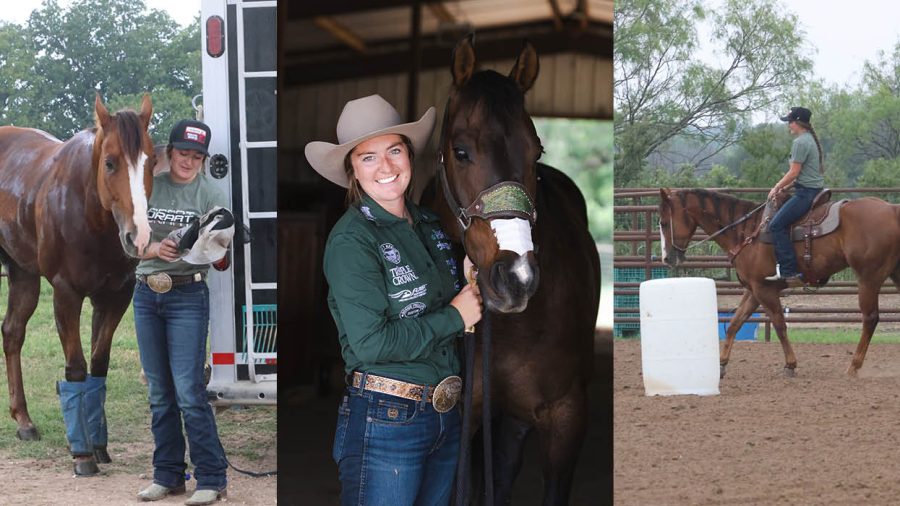
Collinsville, Texas, futurity trainer Kelsey (Lutjen) Treharne experienced how critical it is to take precautions. Born and raised in Arizona, she was unfamiliar with the havoc of winter storms. Luckily, her husband JD Treharne grew up in Ohio and prepared for the worst when developing their property.
“My husband overdoes everything when he builds, so our water lines are super deep in the ground,” Kelsey said. “That saved us, because we never ran out of water. If we had lost water, that would have been a disaster with 60 head of horses on the place.”
In southern climates, water lines are typically only a few inches beneath the soil surface, and that shallow water can freeze, and shatter pipes. JD installed the ranch’s water lines a few feet deep, knowing the frost line can extend several feet.
Even with deeply buried pipes safe from freezing, watering was a three-times-a-day chore during the storm for the Treharnes. Water from morning chores lasted until lunchtime before freezing again. By evening chores, it was necessary to break the ice again
“We ruined a lot of buckets trying to de-ice them. Keep a lot of buckets on hand so you have enough,” Kelsey said. “We were really lucky not to have lost power. It could have been a lot worse.”
Preparation
For professional trainer Samantha Flannery, snow and cold temperatures are typical on her South Dakota ranch. While Flannery is used to winter, she doesn’t take preparation for granted. When a storm is predicted, the generators are checked and the tractors are plugged in. Everything is ready to go for the worst-case scenario.
“When we have a huge weather event, our newscasters give us a pretty good warning. But people fail by not taking them seriously,” Flannery said. “When they say it is going to be major snow, we get the horses in closer, get them behind shelters, and feed extra hay before it hits.”
Missouri barrel racer Lacinda Rose agrees that watching — and heeding — weather predictions is key. While she is accustomed to a few snowfalls a year and colder temperatures, the hilly, curvy roads can be treacherous.
“I always listen to the Weather Channel if I have an event I’m going to, because the roads can be really bad,” Rose said.
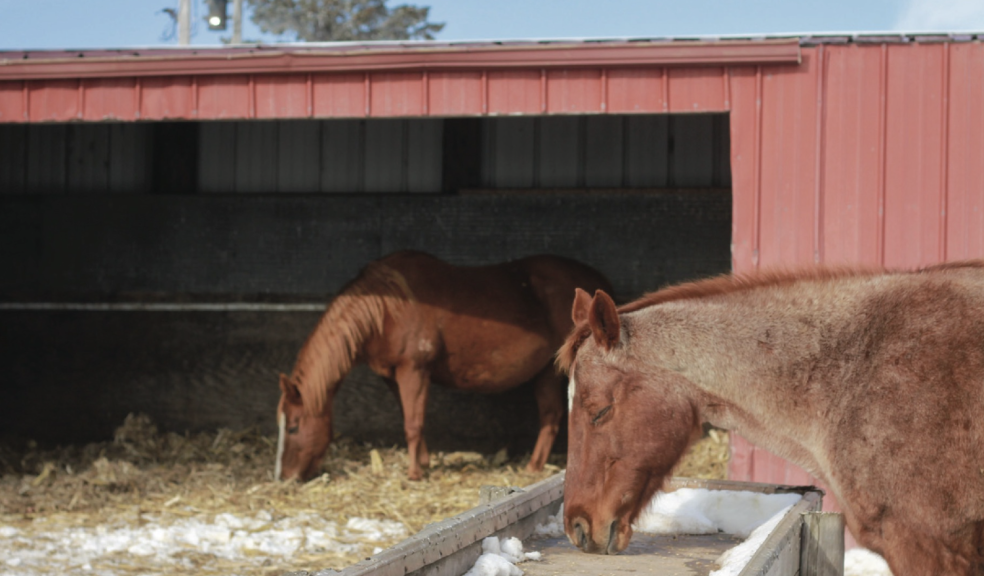
Her barn is connected to the house, so she doesn’t have to go outside in bad weather. Typically, the horses stay on 40 acres of pasture but come in during major storms. Bringing in the horses means more work cleaning stalls and feeding, but the entire family pitches in to make sure the horses are cared for.
“I love the PHT Slinky and put that under the horses’ heavy winter blankets to help with circulation and for extra comfort when the weather is really bad,” Rose said.
When temperatures drop, Rose’s priority is preventing colic. She feeds aloe and electrolytes to keep their guts happy. She also uses Purina Lick Tubs to encourage eating and drinking.
“We bale hay on our place and keep it in the barn so they have roughage all the time,” Rose said. “Making sure you have enough hay and feed on hand, for at least a week or two, is so important when the weather makes it impossible to get out.”
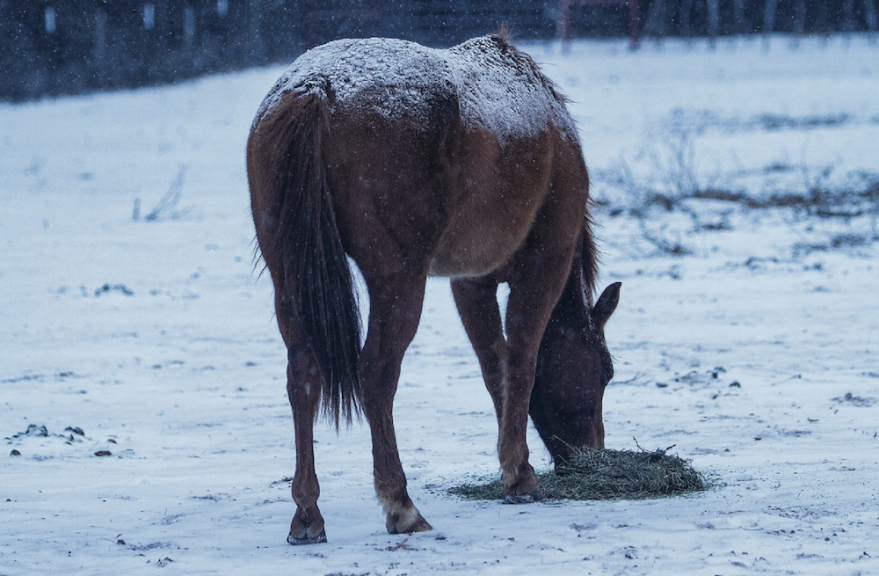
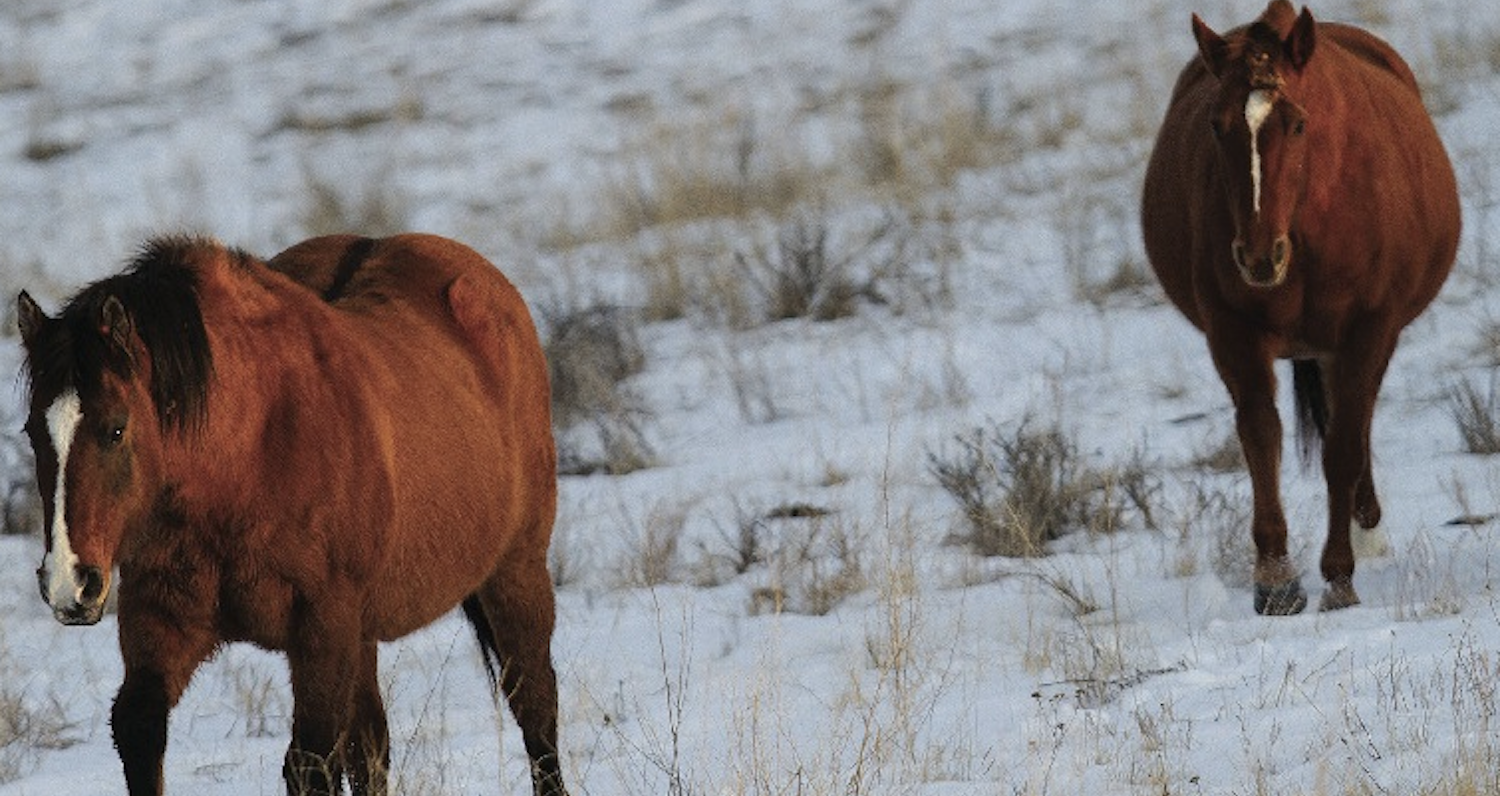
In the frigid North country, Flannery does not blanket. She instead allows her horses to grow a natural coat and acclimate to seasonal changes long before any storms arrive. Each pasture has windbreaks to offer protection from the wind.
“The horses are pretty darn hardy. Our horses know how to dig and paw through the snow to get the grass beneath, and it’s a nice supplement to the hay,” Flannery said. “When there is a lot of snow cover, we give extra hay. I’m always amazed how well they take care of themselves.”
Riding Through Winter
Flannery doesn’t mind riding in the winter. On Sundays, she checks the forecast and plans riding days based on the weather ahead. She waits until mid-day when it’s warmest but even rides when its 10-20 degrees — as long as it’s not windy.
The winter Flannery qualified for The American, her kids had a busy basketball season so she had to find riding time, even in the coldest parts of the day. She pulled out her ski gear — helmet, goggles, and gloves. She says it was warm as ever.
“I ride across the snow to keep horses legged up. We’re a hilly place, and the valleys can be deep snow, so I test-drive a couple miles of track or stay on a road,” Flannery said. “When the guys feed cattle, they keep the roads to different pastures open. I can go two to three miles.”
In early 2021, Kelsey had 12 horses going to the Royal Crown Futurity the week following the infamous Texas snow storm and had to keep them worked. JD set up a torpedo heater inside the barn to keep the temperatures around 55 degrees. She had a helper saddling horses while she rode in her outdoor arena and thawed out her hands and feet after every few rides.
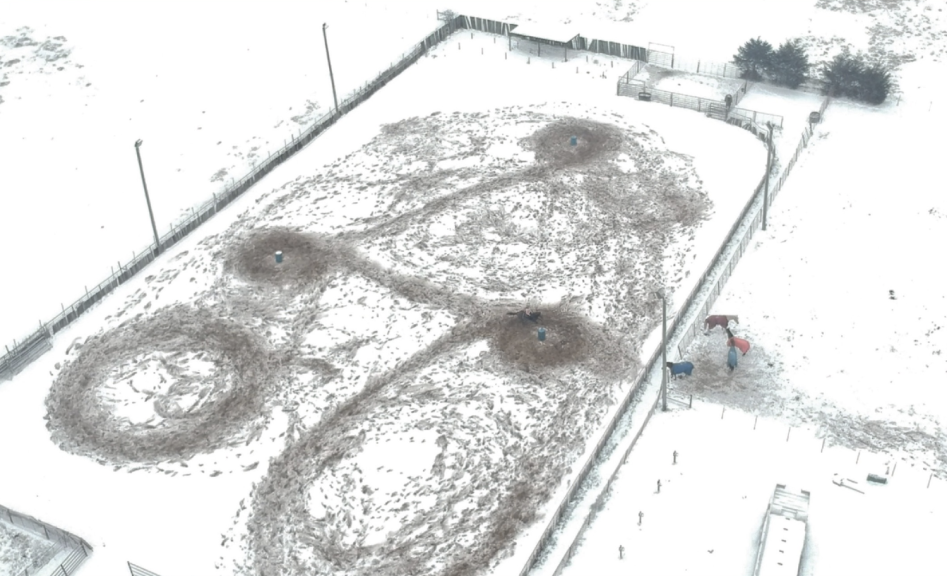
“We didn’t have ice in the arena. We sprayed WD-40 in their feet and kept them picked out so their feet didn’t get bruised, and it worked well,” Kelsey said. “Our friend likes to fly a drone, and he took pictures of me riding and I could see my tracks around the barrels. I had a lot of fun riding in the snow, though I don’t think I’d survive in the North.”
Love it or hate it, winter conditions are an important consideration. The right gear and advanced planning can make it easier to weather any storm, and as last year showed, even riders unfamiliar with cold and snow must be prepared.
This article was originally published in the January 2022 issue of Barrel Horse News.