
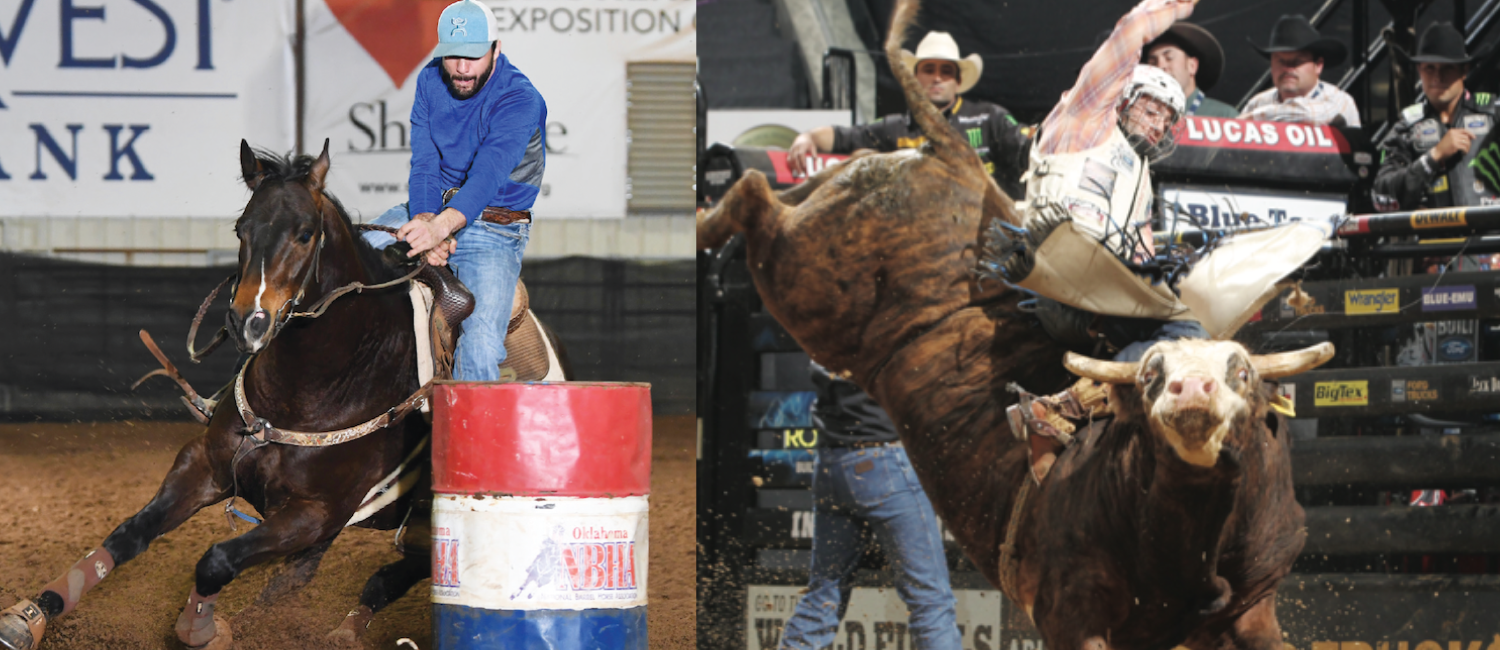
From bucking bulls to barrel racing, Sevi Torturo is enjoying the ride.
Bucking bulls and barrel horses are crowd-pleasing rodeo favorites. Although both are popular events, chances are you won’t see a barrel racer trade in their saddle for a bull rope or a bull rider run down the alley hunting for the barrels.
That is, unless you’ve seen Wayne, Oklahoma, trainer Sevi Torturo. Torturo got his start in both events as a youth competitor and has become a successful professional bull rider who now specializes in training barrel horses at Sevi Torturo Horse Training in partnership with Lacey Miller.
Although injuries limited his career on the Professional Bull Riders tour, Torturo hasn’t completely given up the sport. After several years off, he qualified for and competed at the renowned RFD-TV’s The American Rodeo in 2017 and 2018, making it to the final round both times.
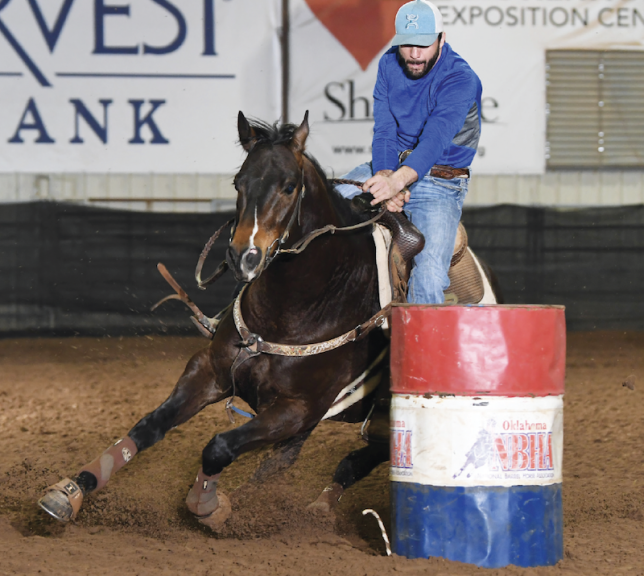
Torturo currently has several horses in training and is eager to run 4-year old gelding Givemeasmooch, a horse he describes as one of the best horses he’s trained to date. He also started MJ Sweet Valentine, XN Heavens Gal, Danita Design and XN Bunny Money, among others, that have gone on to become 1D contenders.
BHN caught up with Torturo and asked him how the seemingly dissimilar rodeo sports have enhanced his career in both the timed event and roughstock ends of the arena, and gained insight into what he looks for in a prospect.
Katie Navarra: You’re from New York state. How did you get into barrel racing and bull riding?
Torturo: I grew up in Ballston Spa, New York, a small upstate town known for its Thoroughbred racing. The nearby Saratoga Racetrack is famous worldwide. My mom and my sister rode barrel horses, and so about the time I was 3 or 4, I started riding too.
Most of the barrel races took place at the local rodeos. Many people aren’t aware of the booming rodeo circuit in that part of the country. There are several rodeos within 75 miles every Friday and Saturday night.
When I was about 10, we went to the Ponderosa Rodeo and I saw J.R. DeMarsh with a bull rope. He was going to ride one of the junior bulls, and I decided I wanted to try, too.
Navarra: You were young when you started riding bulls.
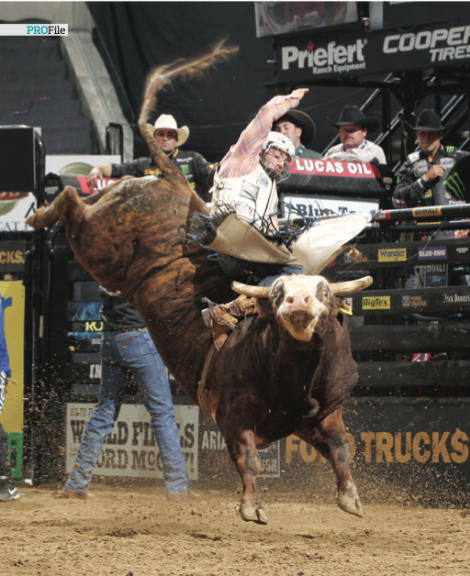
Torturo: Yes. I got my first American Professional Rodeo Association card when I was 14 and rode junior bulls whenever I could. When I turned 18, I bought my Professional Bull Riders card. In 2003, I qualified for my first PBR World Finals and made it into the finals round that year on Kid Rock. Kid Rock was named the PBR Reserve World Champion Bull that year. He was owned by Roy Carter and went unridden 30 out of 40 times. At the PBR World Finals that year I scored 92.5 points on him, which earned third place in the short go. That was one of the highlights of my career.
Navarra: Are there similarities between bull riding and barrel racing?
Torturo: The injuries. Bull riding is tough on your body and injuries have kept me from reaching my full potential on the PBR circuit. Injuries can keep a really good horse from achieving its full potential, too. When I first started training horses in 2006, I used to get real upset when a horse got hurt. In the years since, I’ve come to realize every horse in training is at risk for soreness or injury—sometimes that horse could be the best one in the barn.
Just this spring we had a promising filly pull a suspensory. We had high hopes for her, but now her future is uncertain. It’s always a disappointment when something like that happens.
Navarra: How did riding barrel horses help you ride bulls?
Torturo: I don’t think I would have been as successful in bull riding if I hadn’t first ridden barrel horses as a kid. Barrel racing gave me lots of natural feel and balance that helped me when getting on the bulls.
Navarra: How has bull riding helped with training horses?
Torturo: Bull riding gave me that winning edge of trying to be the best I can possibly be. When the time came to start my training business, I carried that outlook with me. I put everything into training these horses so when it’s time to run down the alley, my horse and I are as competitive as we can be.
Navarra: If you could ride any barrel horse, past or present, which one would it be?
Torturo: If I could ride any horse again, it would be MJ Sweet Valentine. I bought her as a long yearling and eventually sold her to Bailey King, who won the All American Quarter Horse Congress reserve champion title. That was the horse I’ve had the longest and put the most time into. She was a horse I had a true bond with inside and outside the arena.
Navarra: What do you look for in a barrel horse prospect?
Torturo: The first step is buying the best breeding that one can afford. Everyone is out for Dash Ta Fame and Frenchmans Guy bloodlines today, but they can be pricy and unrealistic for some folks. The next thing I look for is a great athlete, something supported by good conformation.
I prefer horses with a big hip, good shoulder and a neck that ties in low. I like a horse that’s short-backed and real long under the belly. I always try to pick a horse with a pretty head, but it’s not something you’ll always get. A big, round, kind eye is more important to me than a pretty head.
Navarra: What horse in training should people watch for?
Torturo: Givemeasmootch. I’ve had him since he was weaned and believe he is going to be a super nice horse. He’s by Gimme A Wink, a Thoroughbred sprinter, and out of a cutting mare Lacey’s mom owns. We’re hoping for many, many more like him.
This article was originally published in the September 2018 issue of Barrel Horse News.