
Bimeda®, a global leader in animal health solutions, announced the U.S. launch of GASTROBIM™(omeprazole), the first and only FDA-approved bioequivalent to GastroGard® (omeprazole) for the treatment and prevention of recurrence of gastric ulcers in horses and foals four weeks of age and older.
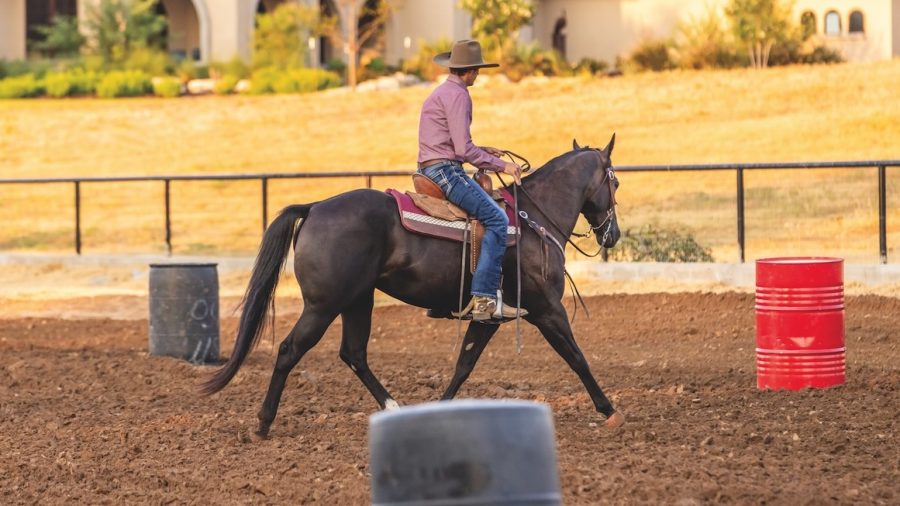
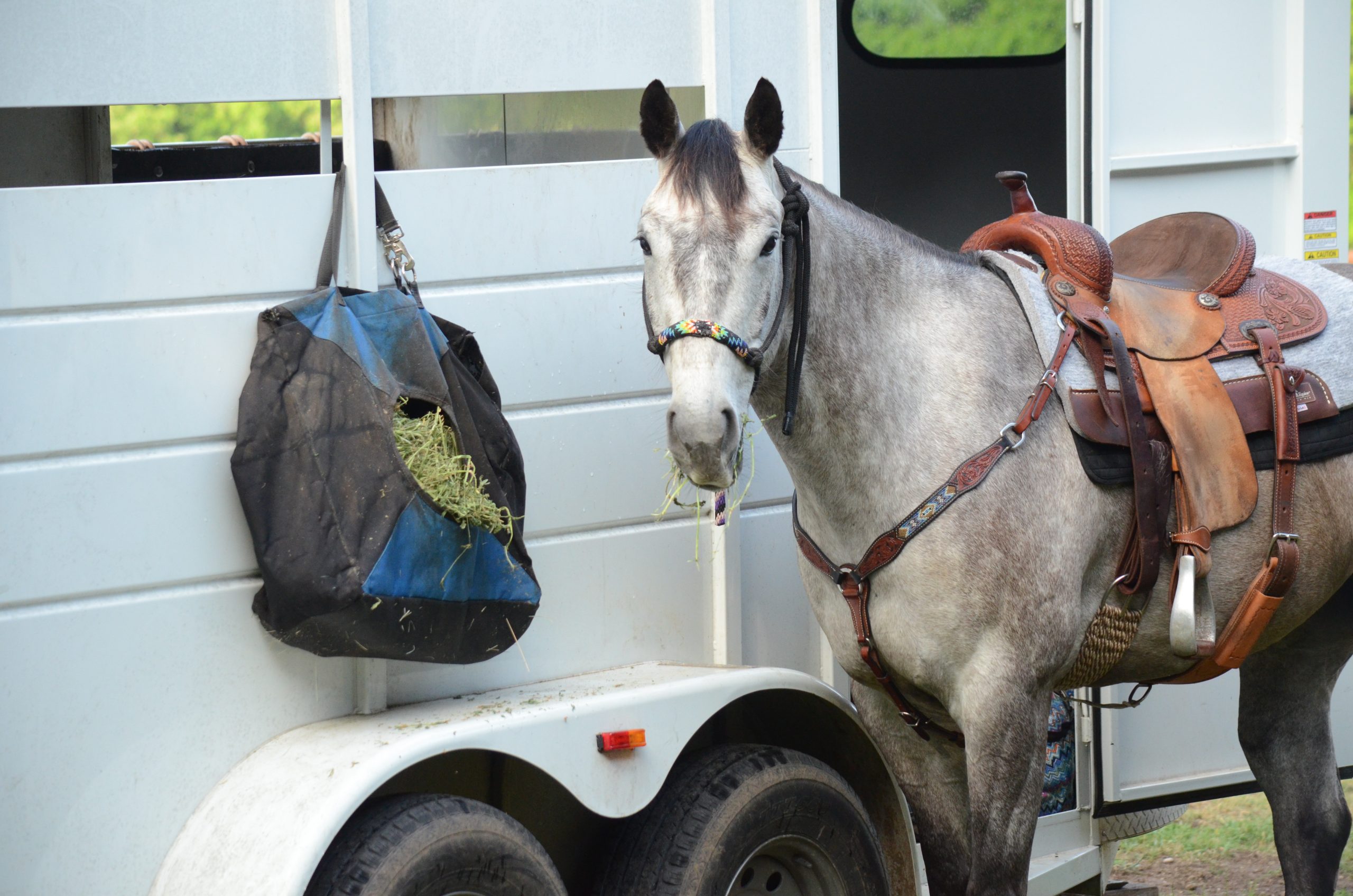
This apple-flavored formulation offers veterinarians, trainers, and horse owners a clinically equivalent, high-quality alternative for the effective management of Equine Gastric Ulcer Syndrome, addressing a critical need in equine health. Equine Gastric Ulcer Syndrome affects a significant percentage of performance horses, often leading to reduced appetite, behavioral changes, discomfort, and decreased athletic performance. By introducing a bioequivalent, apple-flavored alternative, Bimeda aims to broaden access to effective treatment options and support improved health and performance outcomes across the equine industry.
Since its initial launch in 2024, GASTROBIM™ has rapidly emerged as the fastest-growing omeprazole product in Canada and Europe. Its strong adoption and positive reception among veterinarians and horse owners underscore its proven efficacy in treating and healing gastric ulcers, reinforcing its position as a trusted therapeutic option worldwide.
“We are thrilled to introduce GASTROBIM™ to the U.S. market,” said Eric Moore, DVM, Bimeda’s Head of Technical Services North America. “Gastric ulcers remain one of the most common and performance limiting conditions in horses. Offering a bioequivalent, rigorously tested treatment underscores our commitment to supporting equine health, welfare, and performance at an affordable price.”
What Is Equine Gastric Ulcer Syndrome?
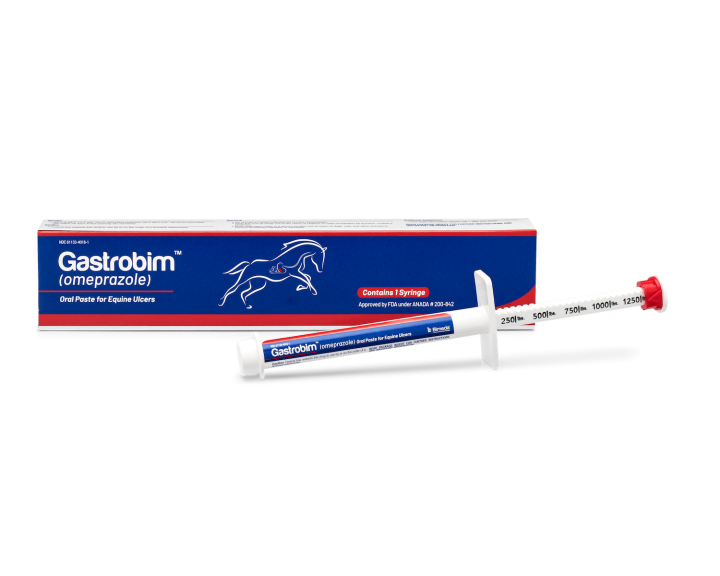
Equine Gastric Ulcer Syndrome is used to describe lesions including thickening, ulcerations and erosion of the equine stomach lining. Equine Squamous Gastric Disease affects the squamous region of the stomach. This is where food enters the stomach and it does not have any protection against digestive fluids. ESGD develops following sustained exposure of the squamous mucosa to hydrochloric acid and may be primary or secondary in nature. Primary develops in horses with otherwise normal gastrointestinal tracts and is usually associated with intensive management. Secondary disease develops in horses with pathology which delays gastric emptying. Equine Glandular Gastric Disease affects the glandular region of the stomach. This is the area of the stomach where food is exposed to hydrochloric acid. It has natural defenses from acid exposure. EGGD is not well understood and factors that could contribute include the breakdown of mucosal defenses, bacterial colonization, stress and inflammation. Heavy exercise routines have been identified as a risk factor.
Clinical Signs of EGUS
Adult horses:
- Non-specific / subjective
- Poor appetite, “fussy” eaters
- Poor body condition / weight loss / rough hair coat
- Behavioral changes
- Colic (acute or recurrent)
- Stereotypical behaviors (e.g. cribbing)
- Poor performance
Foals:
- Most common in older weanling foals
- Non-specific / subjective
- Ptyalism, bruxism
- Poor body condition / weight loss
- Colic
TREATMENT OF GASTRIC ULCERS:
GASTROBIM™ should be administered orally once-a-day for 4 weeks at the recommended dosage of 1.8 mg omeprazole/lb body weight (4 mg/kg).
PREVENTION OF RECURRENCE OF GASTRIC ULCERS:
Continue treatment for at least an additional 4 weeks by administering GASTROBIM™ at the recommended daily maintenance dose of 0.9 mg/lb (2 mg/kg).