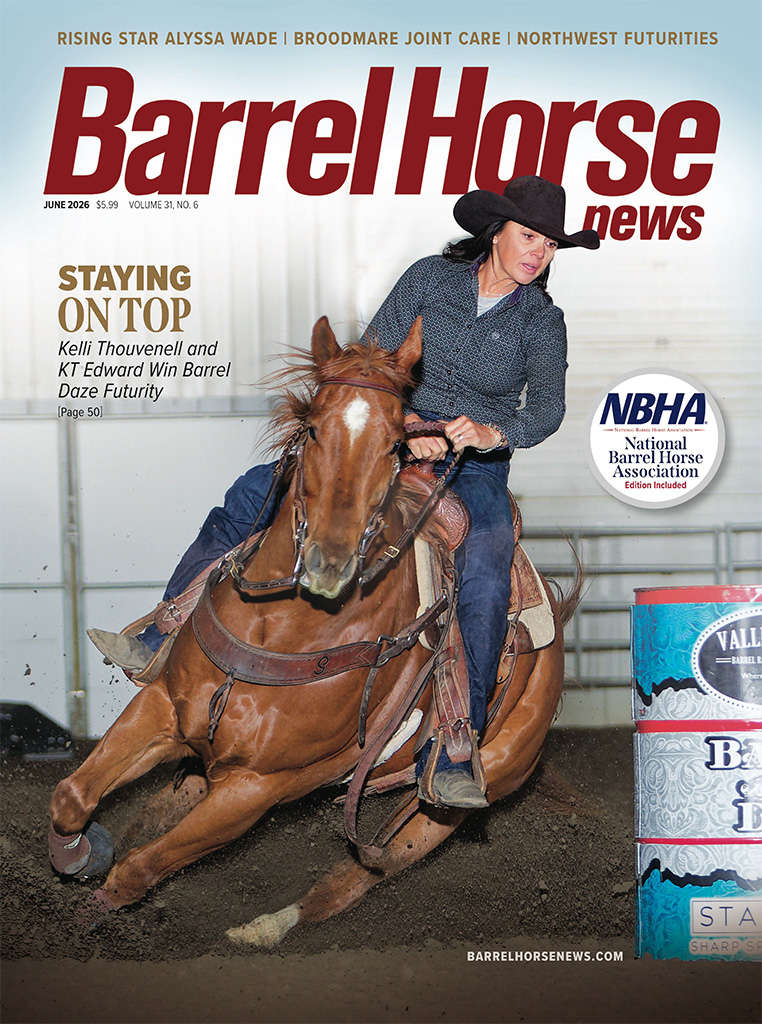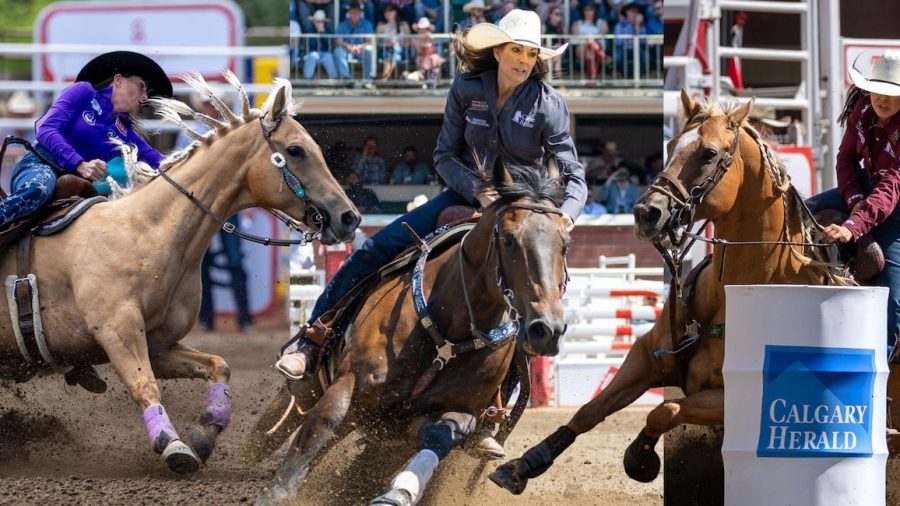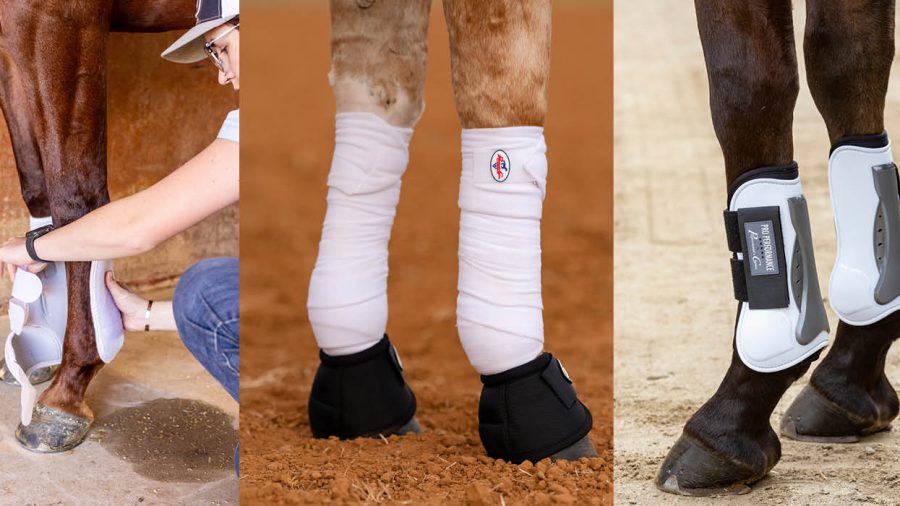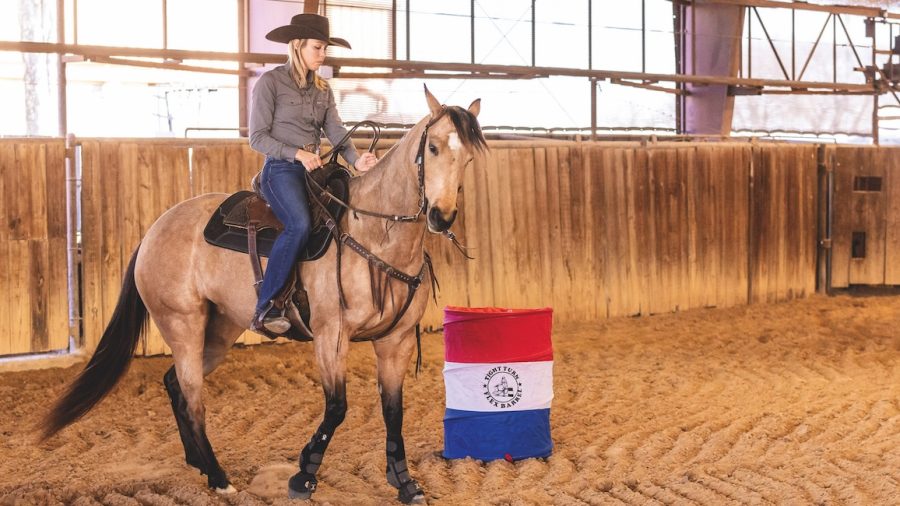

Barrel racing isn’t just about speed — it’s also a mental game. Competitors face enormous pressure, and setbacks, such as falls, injuries, and performance slumps, which can erode confidence and motivation. Here’s how you can stay mentally resilient in the face of adversity.
From Pressure to Performance
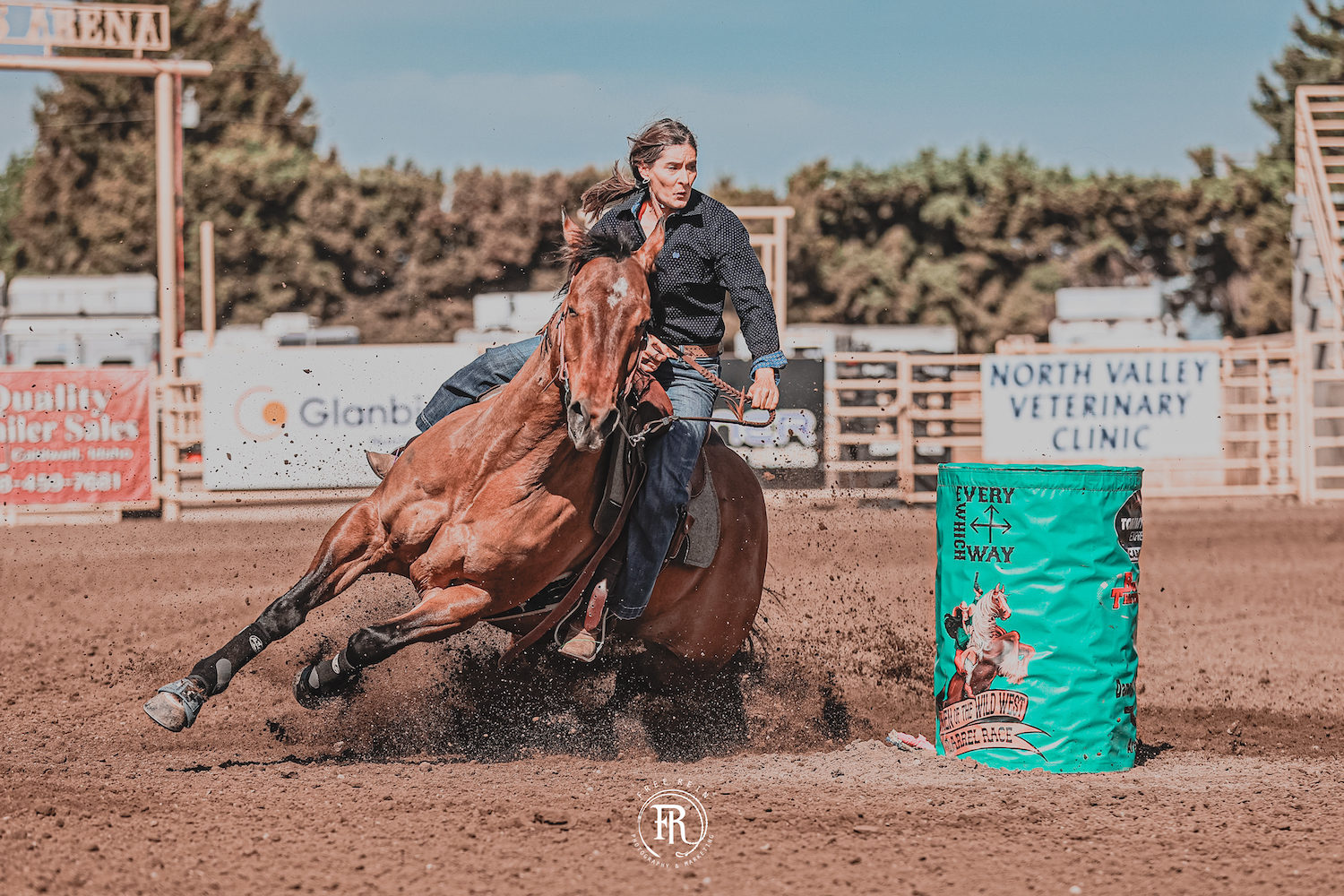
In 2024, Aleisha Shirley started her first year on the professional rodeo circuit strong, picking up a check at just her third rodeo. But momentum faded quickly. For more than a month, she didn’t earn another check. She was exhausted, discouraged, and questioning her future.
“My morale was pretty low at that point, and I knew I wasn’t doing myself or my horse any favors by staying down in the dumps,” she said. Shirley, a physical therapist and founder of Solid in the Saddle Horseback Riding Fitness, also overcame a significant injury — breaking her back in a horse accident. “I wanted to turn things around before my bank account ran out.”
She had a friend who hired a coach to help her reset and decided to give it a try herself. Within the first session, she began identifying patterns in her thinking that were holding her back.
Barrel racing isn’t just about speed — it’s also a mental game. Competitors face enormous pressure, and setbacks, such as falls, injuries, and performance slumps, can erode confidence and motivation.
Brandi Turnspeed, a confidence coach who specializes in helping barrel racers build mental toughness, knows this firsthand. She is a lifelong competitor whose childhood dreams included following in her grandmother’s hoofprints to be an Olympic rider. Her family transitioned to racehorses, and then she moved on to barrel and cow horses. She has always had a competitive spirit and managed her emotions effectively under pressure. But while riding a client’s horse at a barrel race this summer, the horse crashed into a barrel, knocking Turnspeed from the saddle and injuring her knee.
“The next day it swelled, and I couldn’t walk,” Turnspeed said. “It’s not as big of an injury as a lot of people have, but it physically slowed me down. And my mind went to, ‘Am I ever going to ride again? Am I going to have a fear of hitting my knee again?”
Hitting a knee is usually minor and a common experience for every barrel racer. But it caught her off guard that the incident physically slowed her down. She went back into training mode, set parameters to be successful, and got back in the pen.
Every rider — whether they’re willing to admit it outwardly or not — has struggled with a slump or overcoming fear, and developing mental toughness and resiliency skills can help boost already great performances, recover from setbacks faster, or get back in the saddle with confidence.
Finding Mental Resilience
Barrel racing is as much a mental game as it is about training, speed, and winning checks. It requires mental resilience, a term Turnspeed prefers to toughness.
“We can be tough in a moment, at a moment in time,” Turnspeed said. “Resilience is what’s going to push us through to achieve our goals or the task at hand.”
Jolene Robbins, special events and alumni coordinator for the University of Montana Western knows the common ups and downs of being a competitive athlete, and as a result understands the mental resiliency needed to succeed in the sport.
“Rodeo [and barrel racing] is a mentally demanding sport,” said Jolene Robbins, special events and alumni coordinator for the University of Montana Western. Her husband, JT, is the head coach of the UMW Rodeo Program. “It has so many highs and lows. You can work and work and work, and sometimes, you won’t see success for a long time.”
Even the most seasoned barrel racers struggle with confidence and pressure. Whether it’s coming off a losing streak or recovering from injury, fear and self-doubt creep in.
“As barrel racers, it’s easy to get tunnel vision,” Shirley said. “We pick each run apart and obsess over the little things. It helps to have someone from the outside coach us and pull us out of our heads.”
Many competitors enter the arena with a clear goal, but also with overwhelming pressure. That pressure often triggers anxious thoughts, which in turn fuel negative emotions that impact performance.
“That emotion drives what our actions are,” Turnspeed said.
Riders may hold their breath, tense up, or ride differently than in practice. Shifting the pattern starts with managing thoughts before emotions take over. With intentional strategies, competitors can interrupt the cycle and create more positive results. One of the strategies Turnspeed likes to use is the four-step GRIT Strategy she created:
- G – Ground: Step back and recognize the thought
- R – Reset: Change the thought. “If your thought is ‘I’m afraid because I had an accident,’ reset it to ‘I’m lucky to still be riding,’” Turnspeed explained. “That simple shift can dramatically change your body’s response.”
- I – Intention: Set a clear, positive focus or goal
- T – Transformation: Setting the intention with a positive emotion leads to transformation, actually achieving the goal.
For Shirley, it was the T-Transformation piece that really clicked.
“After watching my videos, Brandi identified that I had to stop riding so ‘perfect’ and begin riding more aggressively, which is how my push-style mare needed me to,” Shirley said.
Part of the process involved creating and stepping into an alter ego. For Shirley, it was running with the wildest color pair of bell boots in her trailer — leopard print — to channel the positive energy she felt inspired by from another barrel racer.
“My mare responded to the change in my energy almost immediately,” Shirley said. “We won two checks on back-to-back weekends, both with me focusing on stepping into the ‘alter-ego.’”
It was such a small cue, and nobody had to know except for Shirley. Most importantly, it worked.
Barrel racing, especially on the bigger circuits, can be intense and unpredictable. It can also feel isolating when you’ve hit a plateau or are struggling with fear or confidence. Finding the right support, including a coach, can be a game-changer.
“You don’t know what you don’t know,” Shirley said. “The only way to get better mentally and physically is to reach out to others who can coach, mentor, and teach you.”
Supporting Peers Through the Ups and Downs of Competition
College rodeo athletes face unique challenges — they juggle a full class load, coursework, rigorous practice schedules, and the pressure to perform in the arena. Additionally, they have an extra component, training and competing as a team, which can be a struggle for some at first.
“We noticed the women’s rodeo team had hit a slump,” Jolene said. “Our freshman came, and some of the girls didn’t want to practice with the other girls because they were intimidated. So, we had this idea to put together a women’s team retreat to bring the team together, and mental toughness was one of the things we included.”
Part of the retreat focused on teaching team members how to respond to and support one another after a good or a bad practice.
“Practicing with a team, you kind of have to keep your emotions in check a little bit more than riding alone,” she said. “It’s so easy to whether you have a good practice or bad practice, just to walk away, go put your horse up and be done with it. We’ve instilled having the girls say, ‘Hey, good job. You had a great practice tonight.’ Or if somebody had a bad practice, ‘Hey, it’s all right, keep at it. It’ll get better. All that helps with confidence.”
Jolene believes that spending time on confidence and team-building aspects was one of several strategies that helped the team advance to the college finals in the 2024 -2025 season, a first for the team.
“Sometimes I feel you can overthink mental toughness, and sometimes you just need somebody other than your [riding] coach or your parents to say, ‘Hey, you got this, you know, keep your chin up, keep pushing forward.”

Finding the Right Coach
Every coach brings a unique perspective and approach to their program. That diversity in skill sets means there’s a person suited to your goals, values, and learning style, so it’s essential to find the right coach for your needs.
“Find someone you enjoy being around,” Shirley said. “Long before I got coaching from Brandi, I knew she was someone I wanted to work with.”
Each coach structures their program differently. Some offer shorter engagements — a series of one, two, or three sessions — while others require a longer commitment, like three or six months. Spending time getting to know a coach can help determine if their program is the right fit for you.
Spend time interviewing different coaches or participating in a “discovery call” to experience their coaching style to get a sense for compatibility.
“They also have to know the ins and outs of the sport you’re competing in. If you’re getting barrel racing coaching from a financial coach, you may pick up some helpful information, but they won’t be able to give you specific enough advice to make a difference in a sport where thousandths of a second count.”