
Loren O’Dell
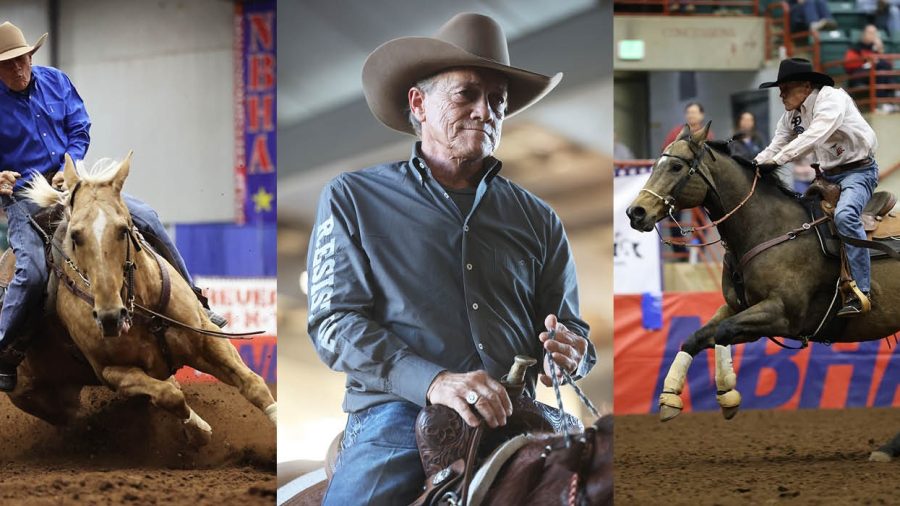
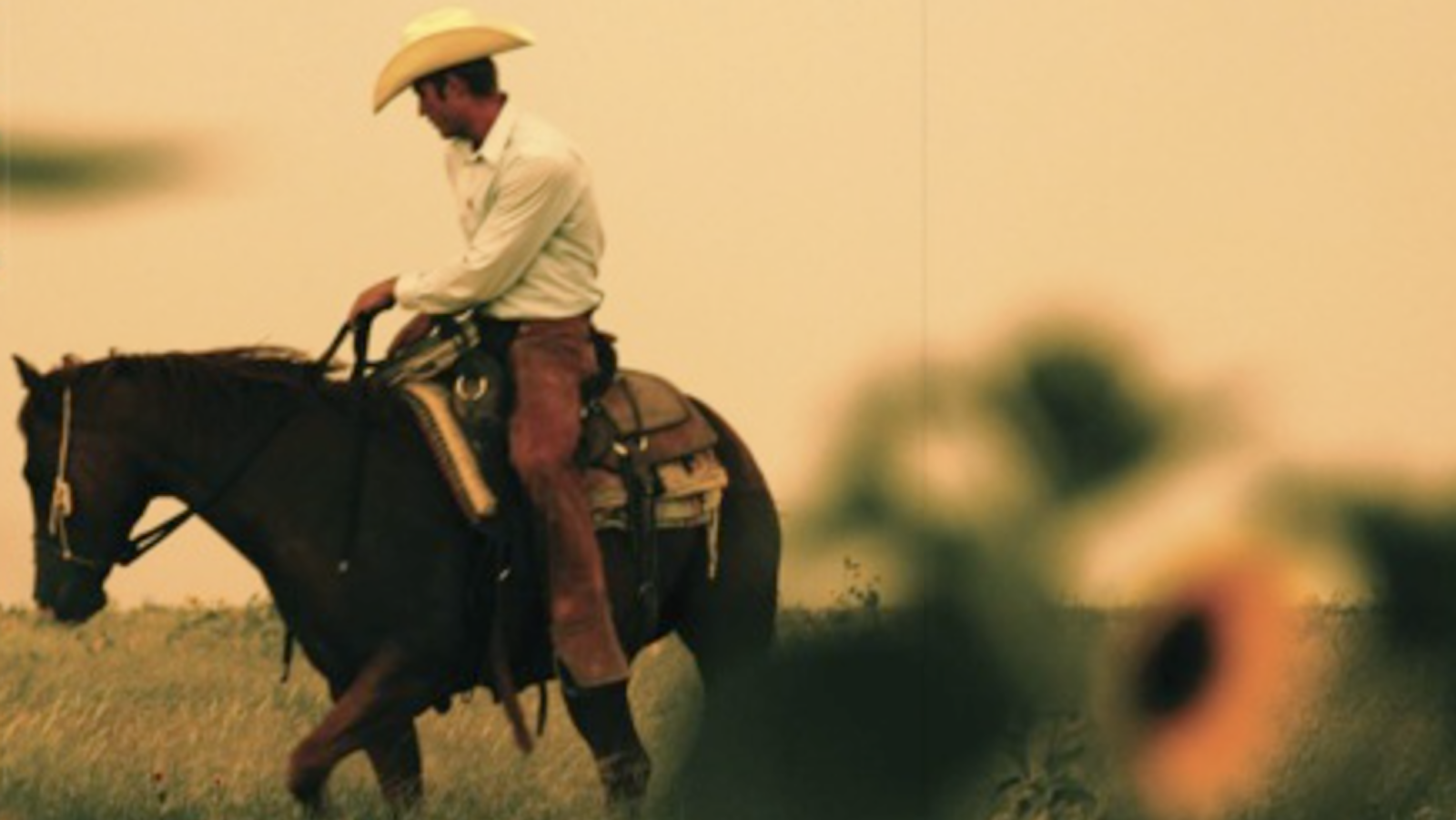
Loren O’Dell, of Garden City, Kans., has been honing his craft as a colt starter almost all of his life. Ranch raised near Medicine Lodge, Kan., O’Dell estimates that he took in his first outside colt to start in exchange for payment at the age of about 13. Later, O’Dell started colts at the famed Silverbrook Ranches near Baird, Texas, where he spent six years and came into contact with the legendary Buster Welch, who influenced his philosophy toward horses.
These days O’Dell takes outside horses and works part-time at a neighboring feedlot.
This past fall, O’Dell put the first 18 rides on a group of Bo Hill’s 2-year-olds. Living near Hill proved advantageous, as O’Dell was able to work at her facility, and Hill says that approach seemed to produce “less stress on the colts by keeping them at home.”
O’Dell was a step ahead of the game when he began to work with Hill’s colts because all of them had been handled well and were halter broke.
“Initially, what I do is I like to get them to where I rub around all over them and move around them easily, get them saddled,” he says. “Bo’s colts were probably the nicest, as a group, of about any. With hers, I could get on them with a halter and a lead rope and do what I call ‘stealing a ride,’ pretty early on. I just sit and let them get used to me being there and being over the top of them.”
After “stealing” the first few rides, if O’Dell feels that the colt is comfortable and respectful of him, he will progress them into a snaffle bit and work more on teaching pressure and release.
“I don’t want to just be pulling them around,” he says, “so say if I want to go left, and I have their head tipped a little that direction and apply a little pressure on their ribcage with my outside leg, the instant they respond a little bit in that direction, I release. Generally, with most colts, when you put a little pressure on them like that, they want to move away from it and get that release.”
O’Dell stresses that good timing is absolutely essential during the course of these initial rides to teach colts to move off pressure
“I think Buster probably said it best,” O’Dell says. “He had a saying that ‘There are people that can ride everyday for their entire life without learning feel, and then there are those people who might have ridden less, but just have that good feel for a horse and use it.’ I think it’s important to have that feel. If what you do isn’t working, you have to be ready to think about it and take a different, better approach. That takes feel. The attitude you have toward them [horses] is a huge part of it working, too.”
Just as soon as O’Dell feels he has enough control, he likes to take his colts outside the confines of the round pen.
“It depends on the colt,” he says, “but sometimes, after about three days in the round pen, I like to go out. At Bo’s, I took them from the round pen to a bigger pwn. With some colts, it’s four or five rides, once they have a little handle on them, and I can take them out without worrying about anything bad happening.”
O’Dell wants to be able to trot and lope some circles, keeping colts relaxed and comfortable before he asks them for more.
“When you think about it, with barrel horses, it’s so much about forward motion,” says O’Dell, whose wife, Nicole, also happens to run barrels, “so, initially, I like that good forward motion with a little bend.”
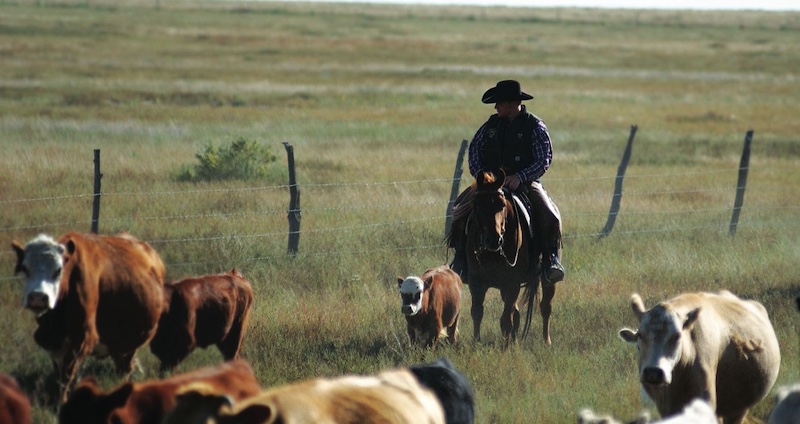
Later, O’Dell will take his colts to the feedlot, where he opens a lot of gates, and the youngsters are exposed to different jobs.
“Some people cringe when they hear that,” O’Dell says, “but I work half days in the feedlot, and I take colts in and out of the feedlot a little bit. You open a lot of gates, which is a real good tool to get a horse moving off your legs for a reason, not just because. I even take my wife’s older horses in and out of the feedlot to keep their minds fresh.”
O’Dell’s advice to anyone sending a 2-year-old out for the first time is to do some homework in advance.
“I think the most important thing for people is to see the finished products that person has produced,” he says. “Go watch them and see how they handle a horse see how they work them. There are a lot of colt breakers who might not show horses or be in the headlines, but they are very good at what they do. It just takes a little research.”