
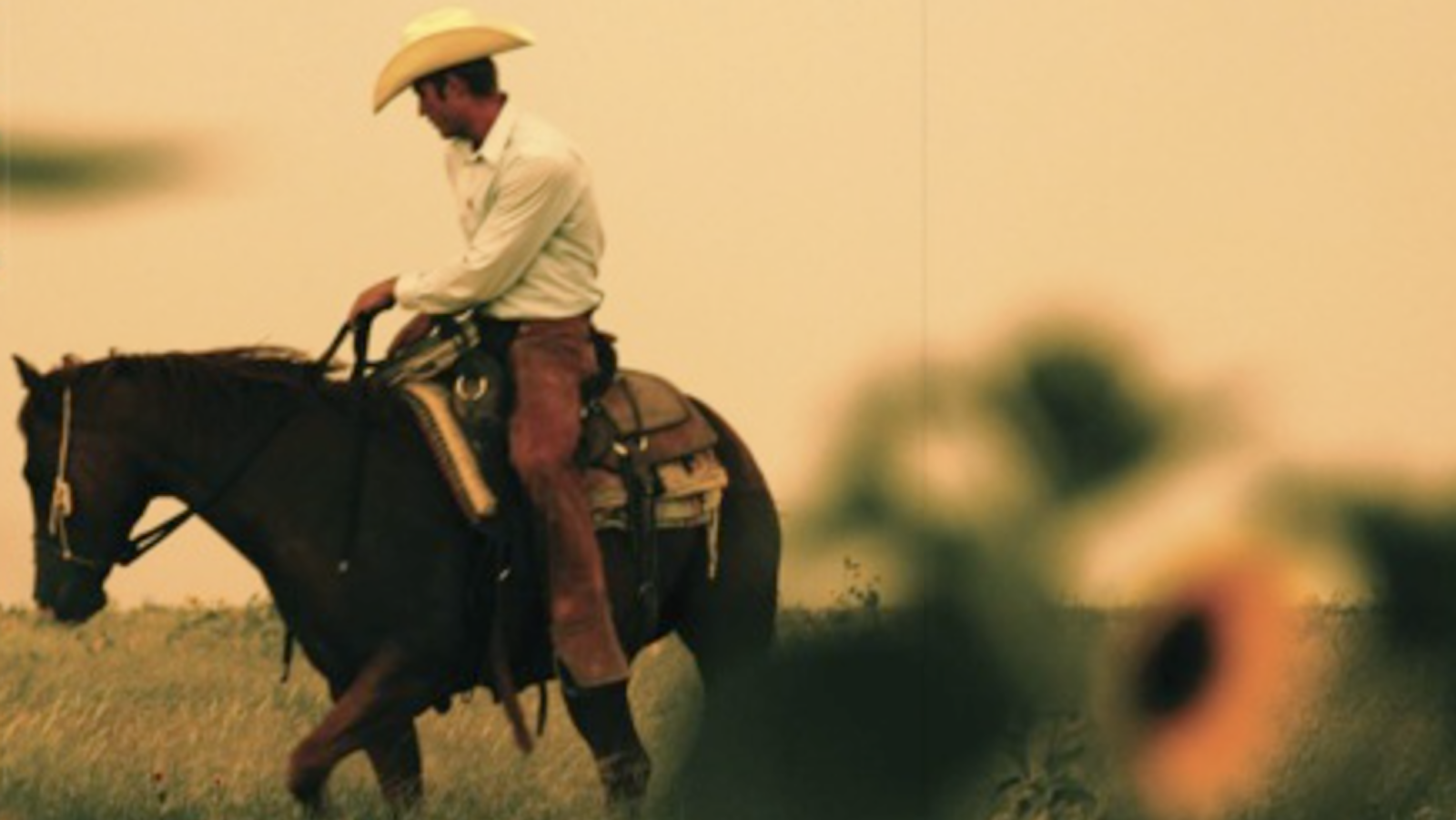
John McComber
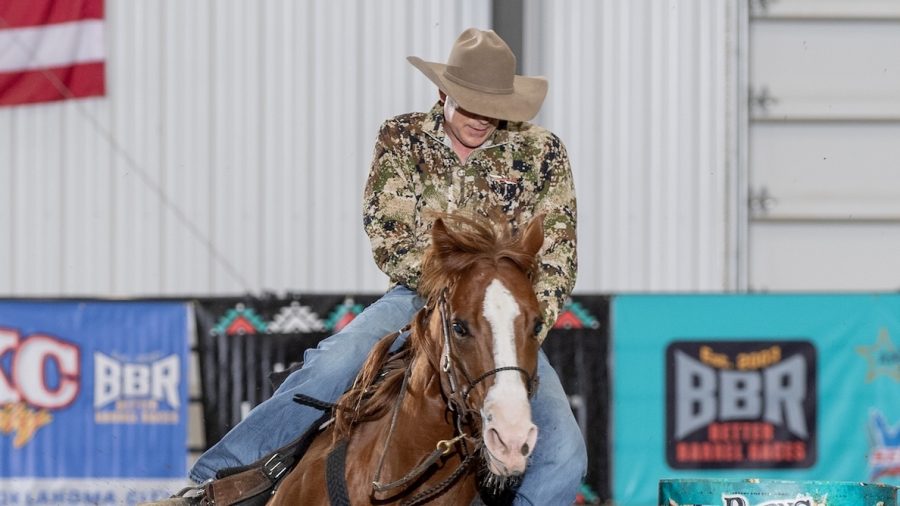
John McComber started his first 2-year-old for money at the tender age of 12 and was fortunate to have been influenced by the late Bill Dorrance as a youth before working for several respected cutting and reined cowhorse facilities as a teen. While he likes the show pen on occasion, McComber finds the greatest satisfaction in starting colts. At the core of his program are preparation and “establishing good relations.”
McComber is meticulous with his groundwork and even incorporates some stretches and massage. He even uses horse treats — “without overdoing it” — as a means of developing willingness in his colts. He will often incorporate a rope and teach colts on the ground to be led by their flanks or a front leg as a means of teaching pressure and release, with great emphasis on where they place their feet in response to pressure.
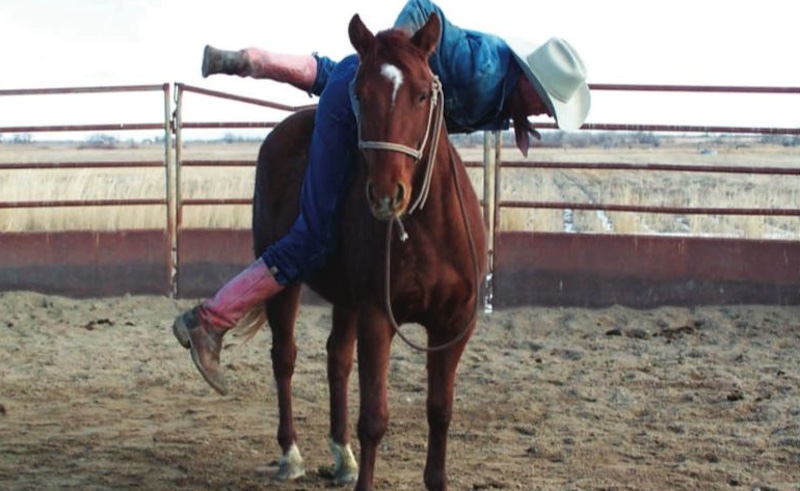
“I want them to be real comfortable stepping through, with their inside hind leg, and disengaging their hip,” McComber says, “because if they don’t know that move and how to balance and shift their weight from one foot to the other, they tend to blow up easier. That’s the most important move, in my opinion, and I can usually talk one out of pitching if I’ve taught them that.”
“Low stress” is another McComber mantra during the initial groundwork, saddling and first ride phase of training. He prepares colts by making sure they will watch him and “switch eyes” whenever he asks for direction changes. He wants them giving their head in both directions and stepping though and disengaging their hips both ways.
McComber likes to saddle his colts from both sides and, eventually, step on them from both the left and the right sides of their body. By the time he works his way to getting on them, the experience is “no big deal.”
“To that point where you’re ready to ride them, hopefully, you’ve worked hard to get them buddied up to you,” he says, “and they start to really look forward to you riding them. By the time I’m to that stage, they like me to be up there because I’ve taken it slow and rewarded them. I might get on a colt and ask them to take one step and then step down and reward them.
“The first few rides are a different experience for them, but they figure it out pretty quick if you teach balance and teach them how to move their feet and shift their weight without rushing them. I want them light and listening to my legs. I want them to be respectful, not resentful.”
McComber says he prefers the first ride to be in a snaffle, but he likes to expose them to comfortable carrying it in their mouth in advance. When he gets on them the first few times, he wants to bend their head in both directions and reward the slightest effort by releasing. His ultimate goal is riding them on a slack rein, going into a trot, back to a walk and being able to bend them around repeatedly. When he lopes, he may initially just lope a half circle and let them break to a trot, encouraging them to get comfortable changing gaits.
Typically, getting three or four rides on a colt in a 60-foot breaking pen is enough for McComber before he goes out in the open.
“I go outside as soon as they’re maneuvering well, and I can place their hip a little bit, and they’re relaxed,” McComber says. “I don’t like to wear one out in an arena and cause them to dread it. In the arena, I will do more jogging because I think it’s the most comfortable and relaxing gait for a horse, and they tend not to scare themselves trotting. The arena is not a place that I want them to think we just race around and get tired.
“To me, the first 15-30 rides are so important to the attitude that horse will carry with him. They should want to be with you and work with you, and time well spent accomplishes that, not rushing through. The start they get sets them up for the rest of their life, really, so a good start makes everything easier, versus a bad start, where you have to go back and undo some negative responses they might have picked up.”